
Parmesan Crusted Chicken: How to Make Crispy Oven-Baked Chicken with Mayo & Cheese
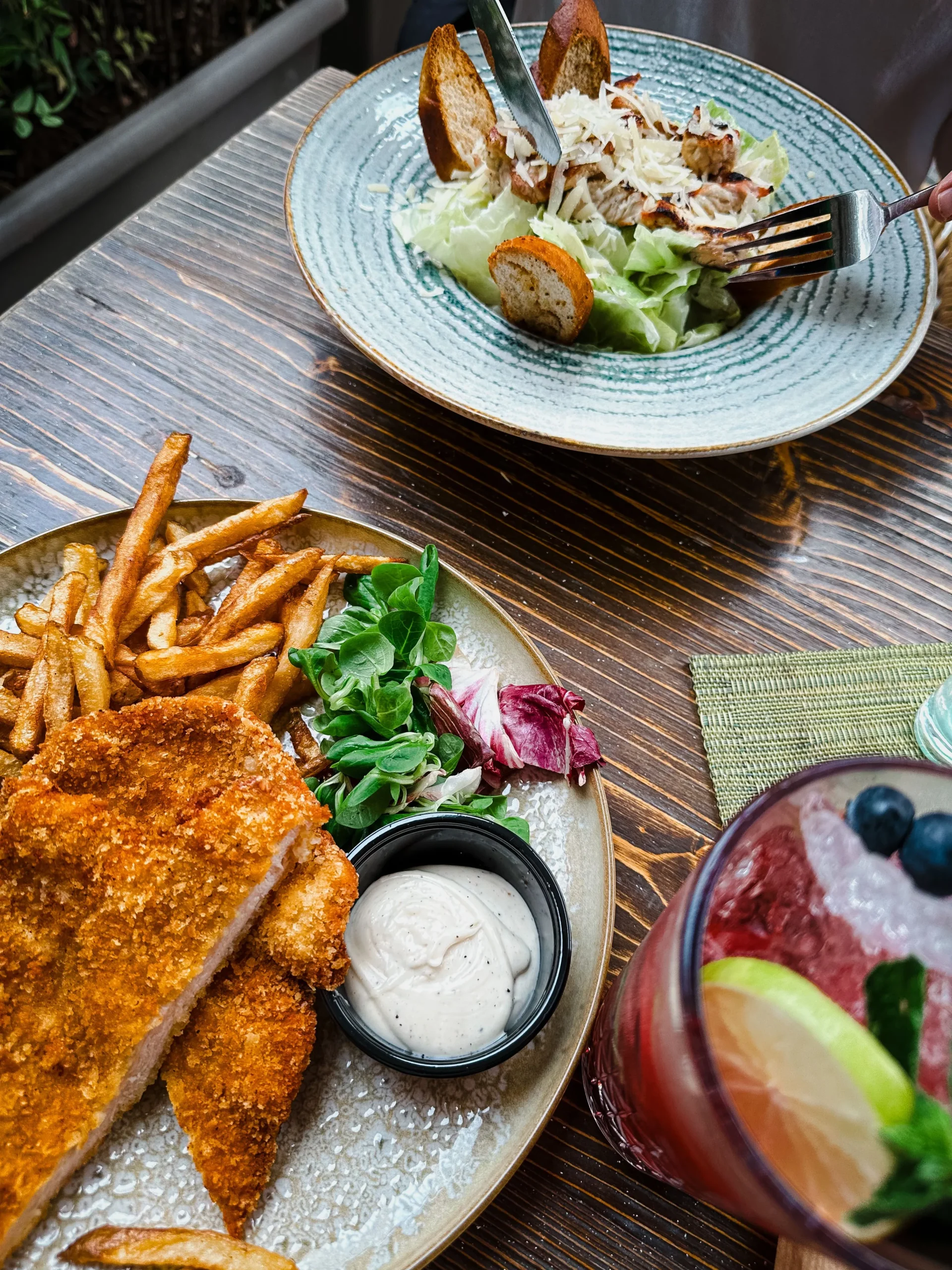
Parmesan crusted chicken has become a weeknight favorite for good reason. It delivers juicy chicken breast under a golden, savory cheese crust with minimal fuss. Unlike traditional fried cutlets that require multiple dredging steps and hot oil, this style often relies on a simple mayonnaise-and-Parmesan topping that bakes into a crispy, flavorful coating. Home cooks appreciate how the method keeps the meat moist while creating restaurant-style results in a standard oven. Whether you prefer a light mayo-Parmesan layer or a more elaborate creamy cheese-and-panko finish inspired by popular steakhouse versions, the dish offers reliable flavor and texture when technique is understood.
What Is Parmesan Crusted Chicken?
Parmesan crusted chicken is a baked (or sometimes pan-seared then finished) chicken dish in which boneless chicken—typically breast or cutlets—is coated with a mixture centered on grated Parmesan cheese. The coating often includes mayonnaise as a binder, seasonings such as garlic powder and Italian herbs, and sometimes breadcrumbs or panko for extra crunch. As it cooks, the cheese browns and the surface firms into a savory, slightly crisp crust while the interior stays tender.
This differs from classic breaded chicken, which usually involves a three-step dredge of flour, egg wash, and breadcrumbs followed by frying. Parmesan crusted versions streamline the process: the mayonnaise acts as both binder and moisture barrier, reducing mess and eliminating deep-frying. The result emphasizes cheese flavor and a lighter, more integrated crust rather than a thick fried shell. Texture ranges from a creamy-cheesy top with moderate crispness (when mayo and Parmesan dominate) to a more pronounced crunch when panko is added and the dish is finished under high heat or a broiler.
Why Parmesan Creates the Perfect Chicken Crust
Parmesan cheese is uniquely suited for creating a flavorful crust. As a hard, aged cheese with relatively low moisture and high protein content, it browns readily through the Maillard reaction when exposed to oven heat. This produces the desirable golden color and nutty, savory notes that define the dish.
The cheese also contributes natural saltiness and umami, seasoning the chicken as it cooks. When combined with garlic, black pepper, or Italian seasoning, those flavors concentrate on the surface. Mayonnaise or a light oil coating helps the grated Parmesan adhere evenly and encourages even browning. Panko or seasoned breadcrumbs, when included, add structural crunch without overpowering the cheese. The combination yields a crust that is crisp where it contacts dry heat yet remains cohesive and flavorful rather than dry or powdery.
Ingredients for Parmesan Crusted Chicken
Understanding the role of each component improves results.
Chicken
Boneless, skinless chicken breasts or cutlets are most common. Even thickness is essential for uniform cooking. Pounding thicker breasts to about ½ inch ensures the exterior reaches golden without drying the center. Chicken thighs work well for richer flavor and greater forgiveness if slightly overcooked.
Parmesan cheese
Freshly grated or good-quality pre-shredded Parmesan provides the best flavor and browning. The powdery shelf-stable product in cardboard tubes melts poorly and lacks depth. A blend of Parmesan with a small amount of another melting cheese can create a creamier layer in restaurant-style versions.
Mayonnaise
Real mayonnaise (not salad dressing or Miracle Whip) serves as a binder, moisture barrier, and browning agent. Its oil-and-egg emulsion clings to the chicken surface, helps seasonings and cheese stick, and prevents the lean meat from drying out. After baking, the mayonnaise flavor disappears; what remains is richness and juiciness.
Breadcrumbs or panko
Optional but useful for extra texture. Panko produces a lighter, airier crunch. Italian-seasoned breadcrumbs add built-in herbs. A light sprinkle or a mixed coating is usually sufficient.
Seasonings and herbs
Garlic powder, onion powder, Italian seasoning, salt, black pepper, and sometimes paprika or dried parsley round out the flavor. Fresh parsley or a squeeze of lemon at the end brightens the finished dish.
Supporting ingredients
Olive oil or melted butter can help breadcrumbs brown. In more elaborate versions inspired by steakhouse preparations, ranch dressing or provolone may appear in a creamy intermediate layer.
How to Make Parmesan Crusted Chicken Step by Step
- Prepare the chicken
Pat the chicken dry with paper towels. Excess surface moisture prevents the topping from adhering. If using whole breasts, slice horizontally into cutlets or pound between plastic wrap to an even thickness of about ½ inch. Season lightly with salt and pepper on both sides. - Season the meat
A simple salt-and-pepper base works. For deeper flavor, add garlic powder or a light sprinkle of Italian seasoning before applying the topping. - Create the Parmesan topping
In a bowl, mix mayonnaise with grated Parmesan, garlic powder, Italian seasoning, and any additional seasonings until combined. Ratios vary: equal parts mayo and Parmesan by volume is common for a creamy crust; more cheese or added breadcrumbs increase crispness. - Apply the crust
Spread a thin, even layer of the mixture over the top (and optionally the bottom) of each piece. Press gently so it adheres. If using breadcrumbs, either mix them into the mayo-Parmesan or sprinkle them on top and press lightly. Avoid a thick layer that can become soggy or prevent proper browning. - Bake or cook
Place the chicken on a lightly greased baking sheet, parchment-lined pan, or wire rack set over a sheet pan for better air circulation. Bake until the internal temperature reaches 165°F (74°C) and the topping is golden. - Rest before serving
Allow the chicken to rest 3–5 minutes. This redistributes juices and lets the crust firm slightly.
Oven Baked Parmesan Crusted Chicken Method
Oven baking is the most reliable home method for achieving a consistent golden crust without constant attention.
Preheat the oven to 400–425°F (200–220°C). Higher temperatures promote better browning of the cheese and breadcrumbs. Place the prepared chicken in a single layer with space between pieces. Baking times typically range from 18–25 minutes for cutlets or thinner breasts, longer for thicker pieces. Always verify doneness with an instant-read thermometer inserted into the thickest part; 165°F is the safe target.
To avoid dry chicken, start with even thickness, do not overcook, and rely on the mayonnaise layer as a protective barrier. For extra crispness, position a wire rack on the baking sheet so heat circulates underneath. If the topping browns too quickly before the chicken is done, tent loosely with foil for the remaining time. A brief finish under the broiler (watched carefully) can deepen color if needed.
Mayo Parmesan Chicken: Why This Combination Works
The pairing of mayonnaise and Parmesan has become a popular home-cooking technique because it solves two common problems at once: dry lean chicken and coatings that fall off.
Mayonnaise’s emulsion of oil and egg coats the surface thoroughly. During baking it melts into the meat, trapping moisture while the outer layer browns. The fat content also helps the Parmesan toast rather than scorch. Parmesan supplies concentrated savory flavor that balances the mild richness of the mayo. The result is a creamy yet firm topping with a golden exterior. Importantly, the finished dish does not taste like mayonnaise; the distinctive tang disappears, leaving only juiciness and cheese flavor. This method requires far less equipment and cleanup than traditional breading stations.
Longhorn Parmesan Crusted Chicken Style Explained
Longhorn Steakhouse is known for a popular Parmesan Crusted Chicken that features a more layered approach than the simple mayo-and-cheese home version. Characteristics typically include marinated chicken (often involving ranch and Italian-style dressings for flavor and tenderness), a creamy Parmesan or ranch-Parmesan intermediate layer, additional melting cheeses such as provolone, and a buttery panko-Parmesan crumb topping finished under high heat or a broiler for color and crunch.
The overall effect is juicier chicken with a richer, multi-textured topping—creamy beneath and crispy on top—rather than a single thin crust. Home cooks recreate the spirit of this style by incorporating similar flavor elements and a two-stage topping process, focusing on the contrast of creamy cheese and toasted crumbs.
Longhorn Crusted Chicken Parmesan Recipe Overview
Home versions inspired by the restaurant style generally follow this approach:
- Marinate chicken briefly or longer in a mixture that may include ranch, Italian dressing, or related seasonings for flavor and moisture.
- Cook the chicken by searing, baking, or a combination until nearly done.
- Prepare a creamy topping of ranch or similar dressing mixed with Parmesan and sometimes provolone or other melting cheese.
- Spread the creamy mixture over the cooked chicken, add additional cheese if desired, then top with a mixture of panko, Parmesan, and melted butter.
- Finish under the broiler or at high oven heat until the topping is golden and bubbling.
The flavor profile is savory, garlicky, and cheesy with a pronounced ranch note in many recreations, finished by the crunch of toasted breadcrumbs. Exact restaurant recipes are proprietary; these are home adaptations focused on achieving comparable texture and taste.
Common Mistakes When Making Parmesan Crusted Chicken
- Using too much topping – A thick layer can steam rather than brown and may slide or become greasy.
- Overcooking – Lean chicken dries quickly past 165°F. Use a thermometer.
- Uneven thickness – Thicker sections remain undercooked while thinner edges dry out. Pound or slice for consistency.
- Weak seasoning – Parmesan is salty, but the chicken itself still needs salt and complementary spices.
- Soggy crust – Excess moisture on the chicken, overcrowding the pan, or insufficient oven heat prevent crisping. Pat dry and allow space for air flow.
- Low-quality Parmesan – Powdered shelf-stable cheese does not brown or flavor as well as freshly grated.
Variations and Serving Ideas
Chicken thighs – Boneless thighs stay juicier and pair well with the rich topping; adjust cooking time slightly upward.
Air fryer method – Cook at around 350–375°F for 10–15 minutes, flipping or checking halfway, for a crisp exterior with less oven time. Work in batches if needed.
Low-carb options – Omit breadcrumbs or substitute almond flour or crushed pork rinds. The mayo-Parmesan base alone still produces a satisfying crust.
Side dish pairings – Serve with roasted vegetables, a simple green salad, garlic mashed potatoes, pasta tossed with olive oil and herbs, or steamed broccoli. A squeeze of lemon or fresh parsley brightens the plate. Leftover slices work well in sandwiches or over salads.
Nutrition Information
Parmesan crusted chicken is a protein-rich meal. A typical home-prepared breast portion provides substantial protein from both the chicken and the cheese. Calories vary widely depending on portion size, amount of mayonnaise, cheese, and whether breadcrumbs are included—simpler oven versions often fall in a moderate range, while restaurant-style layered preparations with extra cheese and butter tend higher. The fat content comes primarily from the mayonnaise, cheese, and any added oil or butter. Sodium can be elevated due to the cheese and seasonings, so portion awareness and balancing with vegetables help keep the meal well-rounded. Exact figures depend on specific ingredients and serving size.
Frequently Asked Questions
What is parmesan crusted chicken?
It is chicken coated with a Parmesan-based topping—often mixed with mayonnaise and seasonings—then baked until the exterior is golden and the interior reaches a safe temperature. The result is a savory cheese crust over juicy meat.
How do you make parmesan crust stick to chicken?
Pat the chicken thoroughly dry, then apply a thin, even layer of mayonnaise mixed with the cheese and seasonings. The mayonnaise acts as a binder. Pressing the topping gently helps adhesion.
Is parmesan crusted chicken better baked or fried?
Baking is the most common and convenient method for home cooks. It produces a reliable golden crust with less oil and easier cleanup. Pan-frying or a sear-plus-oven finish can add more browning but requires more attention.
Why do people use mayonnaise with parmesan on chicken?
Mayonnaise keeps the lean chicken moist during baking, helps the cheese and seasonings adhere, and promotes even browning. The mayonnaise flavor dissipates, leaving richness and juiciness.
What is Longhorn parmesan crusted chicken?
It is a popular steakhouse preparation featuring marinated chicken finished with a creamy Parmesan-related topping and a crispy breadcrumb element. Home versions recreate the layered creamy-and-crunchy profile.
How do you make oven baked parmesan crusted chicken?
Season and dry the chicken, spread a mayo-Parmesan mixture (with optional breadcrumbs) evenly over the surface, and bake at 400–425°F until the internal temperature reaches 165°F and the topping is golden, usually 18–25 minutes for cutlets.
Conclusion
Parmesan crusted chicken remains popular because it transforms everyday chicken breasts into a satisfying meal with a golden, savory crust and reliably juicy interior. The combination of Parmesan for flavor and browning with mayonnaise for moisture and adhesion creates results that feel special yet stay accessible for home cooks. Whether prepared as a simple oven-baked mayo-Parmesan version or with the layered creamy and crunchy elements inspired by restaurant styles, the dish rewards attention to even thickness, proper temperature, and balanced seasoning. Master these fundamentals and you have a versatile, crowd-pleasing chicken dinner ready for weeknights or casual entertaining.