
Gluten Free Pizza Crust Recipe: The Ultimate Crispy Homemade Guide
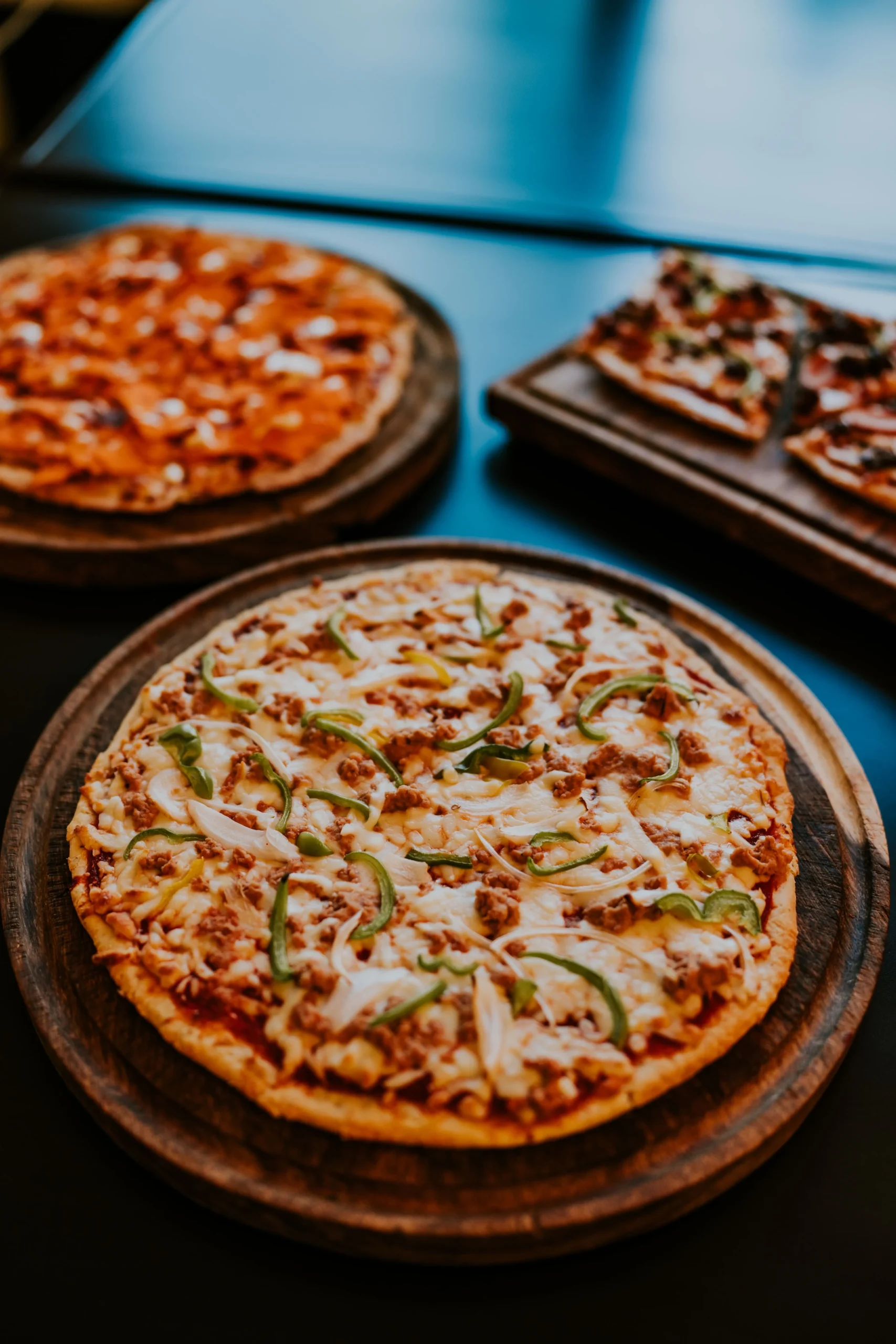
Gluten-free pizza crust is a game-changer for home cooks, pizza lovers, and anyone navigating gluten-free or allergy-friendly diets. Crafting a delicious, crispy, golden crust without wheat takes a different approach—but you can still make a flavorful, satisfying homemade pizza with the right techniques. Whether you’re baking for dietary needs, family preferences, or want to try something new, this guide shares everything you need to know for pizza night success.
What Is a Gluten-Free Pizza Crust?
A gluten-free pizza crust is made without wheat or other gluten-containing grains. Instead, it uses a blend of gluten-free flours and binders to mimic the chewy, elastic structure of traditional pizza dough. Gluten gives classic pizza its stretch and bite; without it, the dough requires special attention to hydration, mixing, and baking to achieve a crispy, golden base that holds up to toppings.
How Gluten-Free Pizza Dough Works
A great gluten-free pizza crust recipe relies on a careful balance of flours, starches, and binding ingredients. Common flour alternatives include rice flour, almond flour, and various starches like tapioca and potato. Binders such as xanthan gum or psyllium husk help provide structure and elasticity. Because gluten-free dough doesn’t develop strands like wheat dough, it’s usually wetter and stickier, so it needs less kneading but more precise hydration. Resting the dough (even briefly) lets starches hydrate and improves texture.
Ingredients for Gluten-Free Pizza Crust Recipe
- Gluten-free flour blend: The crust’s base. Look for a blend specifically designed for baking.
- Rice flour: Adds lightness and helps form a crisp edge.
- Tapioca starch: Provides chew and flexibility.
- Potato starch: Contributes to a tender crumb.
- Xanthan gum or psyllium husk: Binds the dough and creates elasticity.
- Water: Controls hydration—crucial for texture.
- Olive oil: Adds flavor and helps with crisping.
- Yeast or baking powder: Leavens the dough, creating airiness. Yeast gives a classic flavor; baking powder is used in no-yeast versions.
- Seasonings: Salt, sugar, and dried herbs boost flavor.
Ingredient Purpose Table
- Flour blend: Structure
- Rice flour: Crispness
- Tapioca starch: Chew
- Potato starch: Tenderness
- Xanthan gum/psyllium: Binding
- Water: Hydration
- Olive oil: Flavor, crispiness
- Yeast/baking powder: Leavening
- Seasonings: Taste
Gluten-Free Pizza Crust Recipe: Step-by-Step Method
Preparation time: 20 minutes (plus resting)
Cooking time: 15–20 minutes
Difficulty: Easy–Intermediate
Servings: 2 medium (10-inch) pizzas
Step 1: Prepare Ingredients
Gather all flours, starches, binders, and seasonings. Measure precisely—gluten-free baking is sensitive to ratios.
Step 2: Mix Dry Ingredients
In a large bowl, combine the gluten-free flour blend, rice flour, tapioca starch, potato starch, xanthan gum or psyllium, salt, and sugar. Whisk well to distribute.
Step 3: Combine Wet Ingredients
In a separate bowl, mix warm water, olive oil, and (if using yeast) a pinch of sugar. Let yeast proof for 5 minutes until foamy.
Step 4: Create the Dough Texture
Pour wet ingredients into dry. Mix with a sturdy spoon or hands until a sticky, thick batter forms—gluten-free dough is usually wetter than wheat dough.
Step 5: Rest the Dough
Cover bowl and let dough rest for 30–60 minutes (or as directed). This hydrates the flours and improves texture.
Step 6: Shape the Crust
Lay a sheet of parchment paper on a baking sheet or pizza stone. Lightly oil your hands and gently press the dough into an even round—about 1/4 inch for a thin crust or 1/2 inch for a thick crust.
Step 7: Pre-Bake (Par-Bake) the Crust
Bake in a preheated 425°F oven for 8–10 minutes, until firm and just starting to color. This step prevents soggy pizza.
Step 8: Add Toppings
Spread with pizza sauce, sprinkle dairy-free cheese or traditional mozzarella, and add your favorite toppings.
Step 9: Final Baking
Return to the oven and bake 10–12 minutes more, or until the edges are golden and the cheese is melted. For extra crispiness, finish under the broiler for 1–2 minutes.
Texture Expectation: Crispy edges, golden bottom, chewy and soft center—never gummy or crumbly.
Storage Tips: Wrap the cooled crust and freeze for up to 1 month. Reheat in a hot oven for best results.
Gluten Free Pizza Crust Recipe No Yeast
For a quick gluten-free pizza crust recipe no yeast, substitute 2 teaspoons baking powder for yeast. Mix dry and wet ingredients as above, but skip proofing or resting. The crust will be slightly more biscuit-like and less airy, but perfect for fast pizza cravings. This method is ideal for those avoiding yeast or short on time.
Advantages: Faster prep, no rise time, yeast-free.
Limitations: Less classic flavor, slightly denser texture.
How to Make Crispy Gluten-Free Pizza Crust
- Oven Temperature: Bake at 425°F or higher. A hot oven is vital.
- Moisture Control: Don’t add too much water—dough should be sticky but not runny.
- Pre-Bake: Always par-bake the crust before adding toppings.
- Baking Surface: Use a preheated pizza stone or a heavy baking sheet for even heat and a golden bottom.
- Avoid Soggy Crust: Don’t overload with sauce or wet toppings; bake toppings until moisture evaporates.
Gluten-Free Dairy-Free Pizza Options
To make a gluten-free, dairy-free pizza, use plant-based cheeses (like almond or cashew cheese), or top with flavorful vegetables and olive oil. Balance flavors with fresh herbs, roasted veggies, or tangy tomato sauce to keep the pizza satisfying without dairy.
Maintaining Texture: Choose dairy-free cheese that melts well, or skip cheese for a lighter, crispier base.
Gluten-Free Vegan Pizza Base Explained
A gluten-free vegan pizza base means skipping both gluten and animal products, including eggs. Use flaxseed meal or psyllium husk as natural binders. Top with roasted vegetables, vegan cheese, olives, and fresh greens for a colorful, plant-based feast.
Egg-Free Baking: Psyllium husk or ground flaxseed mixed with water helps hold the dough together.
Vegan Topping Ideas: Mushrooms, artichokes, arugula, caramelized onions, sun-dried tomatoes.
Common Gluten-Free Pizza Dough Mistakes
- Too Dry Dough: Measure water carefully; add a splash more if dough is stiff.
- Crumbly Crust: Use enough binder (xanthan gum or psyllium) and avoid overbaking.
- Soggy Pizza: Pre-bake crust, avoid excess sauce, and bake on a hot surface.
- Incorrect Flour Ratios: Stick to tested blends and recipes.
- Not Preheating Properly: Always preheat oven and pizza stone.
- Too Many Wet Toppings: Add veggies after roasting or blot moisture before adding.
Gluten-Free Pizza Recipe Variations
- Thin Crust: Press dough thinner and bake slightly less.
- Thick Crust: Make the dough layer thicker and bake longer.
- Dairy-Free Pizza: Use plant-based cheese or go cheeseless with extra veggies.
- Vegan Pizza: Skip eggs, use vegan cheese, and load up on plant toppings.
- Vegetable Pizza: Add roasted peppers, zucchini, or eggplant.
- Protein-Rich Variations: Add chickpea flour or a sprinkle of hemp seeds to dough for extra protein.
Nutrition Information
Gluten-free pizza crusts are typically higher in starch and may have less fiber than whole wheat crusts, but blends with brown rice flour or added ground flaxseed can boost nutrition. Homemade pizza allows you to control ingredients, reduce sodium, and avoid preservatives. Always check labels for allergens if needed.
Frequently Asked Questions
See dedicated FAQ section below.
Conclusion
A gluten-free pizza crust recipe unlocks the world of homemade, crispy, golden pizza for everyone—no gluten required. With the right flours, hydration, and baking methods, you can enjoy pizza night with a crust that’s every bit as satisfying as traditional dough. Whether you’re gluten-free, dairy-free, vegan, or just a pizza lover, this recipe delivers delicious results.
FAQ Section
1. What is gluten-free pizza crust made of?
Gluten-free pizza crust is made from a blend of gluten-free flours (like rice flour and tapioca starch), a binder such as xanthan gum or psyllium husk, water, olive oil, yeast or baking powder, and seasonings.
2. How do you make gluten-free pizza dough?
Mix gluten-free flours, starches, and a binder; add water, olive oil, and yeast or baking powder; mix until sticky; rest; shape; pre-bake; add toppings; and bake until golden.
3. Can you make gluten-free pizza crust without yeast?
Yes, you can make a gluten-free pizza crust without yeast by substituting baking powder for yeast. The crust will be ready faster and have a slightly different, more biscuit-like texture.
4. How do you make gluten-free pizza crust crispy?
Bake in a hot oven (425°F+), pre-bake the crust before adding toppings, and avoid excess moisture from sauce or veggies. Use a pizza stone for best results.
5. Is gluten-free pizza crust dairy-free?
It can be. Use plant-based cheese or skip cheese for a gluten-free, dairy-free pizza that’s still flavorful and satisfying.
6. What ingredients are used in a gluten-free vegan pizza base?
A gluten-free vegan pizza base uses gluten-free flours, starches, a plant-based binder like psyllium husk or flaxseed, water, olive oil, and baking powder.