
Basil Pesto Pasta: Easy Homemade Vegan Recipe
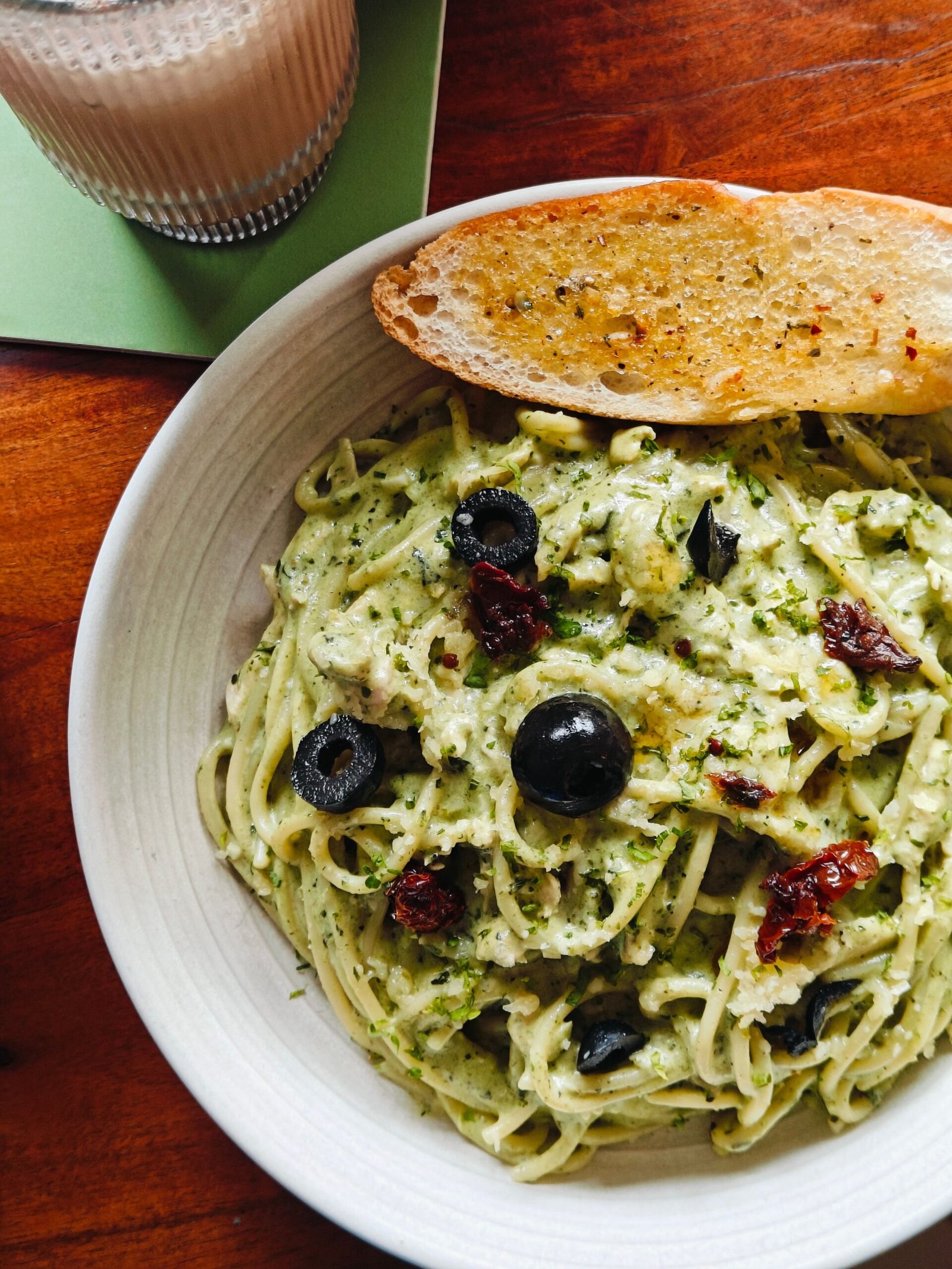
This basil pesto pasta is a simple way to turn fresh basil, garlic, olive oil, nuts, and vegan Parmesan flavor into a satisfying plant-based meal. The sauce comes together quickly, and once the pasta is cooked, a little reserved pasta water helps the pesto coat every strand or curve without becoming heavy or dry.
In this guide, you’ll learn what goes into pesto, how to make a fresh vegan version at home, which pasta shapes work best, and how to customize the dish with vegetables or plant-based protein. You’ll also find practical tips for avoiding common problems such as oily pesto, dry pasta, or pesto that loses its fresh flavor.
What Is Basil Pesto Pasta?
Basil pesto pasta is cooked pasta tossed with a sauce made primarily from fresh basil, garlic, olive oil, nuts or seeds, and a savory Parmesan-style ingredient.
Traditional pesto often contains dairy Parmesan, but a vegan version can use nutritional yeast or vegan Parmesan instead.
The result is a fresh, herb-forward sauce that clings naturally to pasta. Unlike many cooked pasta sauces, pesto is generally added after the pasta has finished cooking rather than simmered for a long time.
You may also see this type of dish described as pasta pesto. The basic idea is the same: freshly cooked pasta coated in pesto and loosened with a little pasta water when necessary.
What’s in Pesto?
If you have ever wondered what’s in pesto, the ingredient list is surprisingly simple.
A basic basil pesto usually includes:
- Fresh basil
- Garlic
- Pine nuts or another nut or seed
- Olive oil
- Parmesan-style flavor
- Salt
For vegan pesto, nutritional yeast or vegan Parmesan can replace traditional dairy cheese.
Each ingredient has a purpose.
Fresh basil gives pesto its distinctive flavor and color. Garlic adds sharpness. Nuts or seeds create body and richness. Olive oil helps everything blend into a sauce, while vegan Parmesan or nutritional yeast adds savory depth.
The exact proportions can be adjusted depending on how thick, garlicky, nutty, or savory you want your pesto to be.
Fresh Basil Pesto Recipe
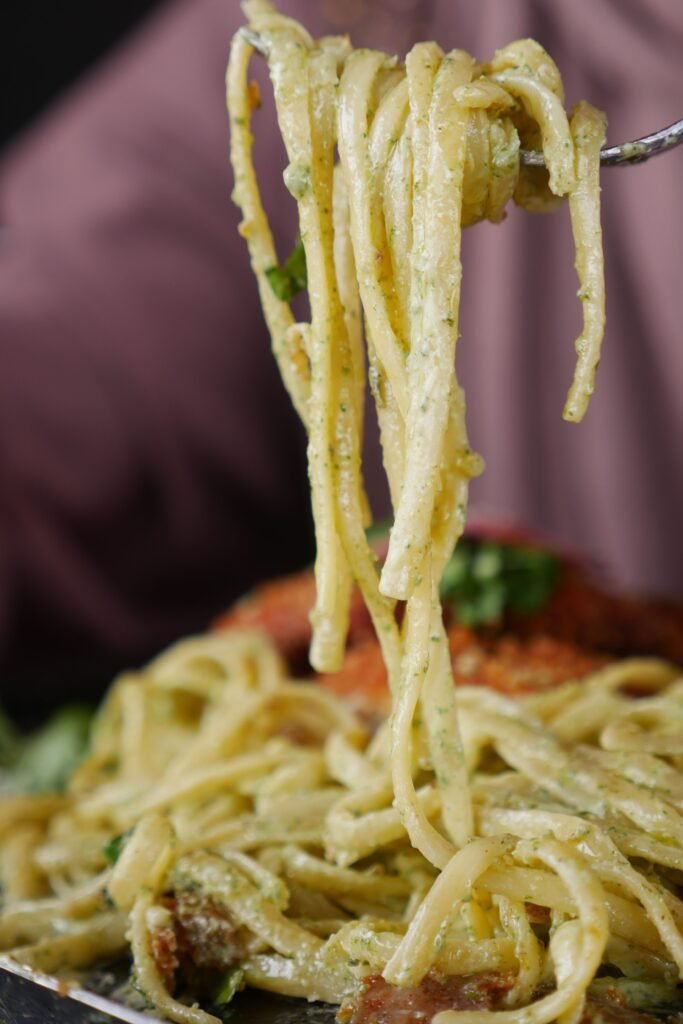
A good fresh basil pesto recipe starts with basil that looks bright and fresh rather than wilted or bruised.
One of the most important steps happens before blending: dry the basil thoroughly.
Water left on the leaves can dilute the sauce and make it harder to achieve a rich, concentrated pesto.
Vegan Basil Pesto Ingredients
For the pesto, you will need:
- 2 packed cups fresh basil leaves
- 1/3 cup pine nuts, walnuts, or cashews
- 2 garlic cloves
- 1/3 cup nutritional yeast or vegan Parmesan
- 1/2 cup extra-virgin olive oil, added gradually
- 1 tablespoon fresh lemon juice, optional for brightness
- 1/2 teaspoon salt, plus more to taste
- Freshly ground black pepper, to taste
How to Make the Pesto
Add the basil, nuts, garlic, nutritional yeast, salt, and black pepper to a food processor.
Pulse several times until the ingredients are finely chopped.
With the processor running at low speed, gradually add the olive oil.
Stop and scrape down the sides when necessary.
Blend only until the pesto reaches the texture you like. It does not need to become completely smooth. A slightly textured pesto often feels fresher and gives the finished pasta more character.
Taste before adding more salt.
If you want extra brightness, add a little fresh lemon juice.
Homemade Pesto Recipe Tips
A homemade pesto recipe is simple, but a few details make a noticeable difference.
Dry the Basil Well
After washing basil, remove as much surface moisture as possible.
Excess water can thin the pesto and reduce the intensity of its flavor.
Add Olive Oil Gradually
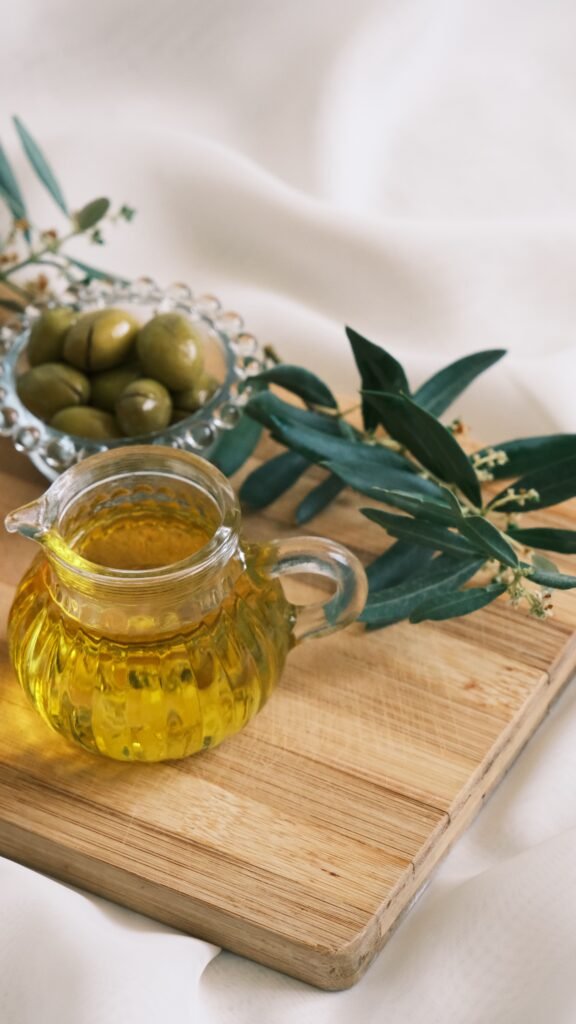
Pouring all the oil in immediately can make it harder to control the consistency.
Add it slowly and stop when the pesto is thick enough to coat pasta.
Adjust the Garlic
Raw garlic can be strong.
If you prefer a milder pesto, start with one clove and add more only after tasting.
Choose Nuts or Seeds Based on Flavor
Pine nuts are traditional, but walnuts, cashews, almonds, or sunflower seeds can also work.
Each changes the flavor slightly.
Avoid Over-Processing
You do not need to blend pesto until completely smooth.
Stopping earlier can preserve more texture and keep the sauce from becoming overly processed.
Taste Before Adding Extra Salt
Vegan Parmesan and nutritional yeast can already add plenty of savory flavor.
Taste the finished pesto before deciding whether it needs additional salt.
Always Reserve Pasta Water
Before draining your pasta, scoop out some of the cooking water.
That starchy water can help loosen pesto and create a smoother coating on the pasta.
Best Pasta for Pesto
There is no single pasta shape that you must use with pesto.
Different shapes simply create different eating experiences.
Spaghetti
Spaghetti works well when you want a simple, classic bowl of pesto pasta.
The pesto coats the long strands evenly when tossed thoroughly.
Linguine
Linguine gives pesto a little more surface area to cling to than thinner noodles.
It works especially well with a smooth or moderately thick pesto.
Fusilli and Rotini
The spirals and curves catch pesto in their grooves.
These shapes are particularly useful when adding vegetables, chickpeas, or plant-based protein.
Penne
Penne works well because pesto can coat both the outside and the openings of the pasta.
It is also easy to combine with roasted vegetables.
Farfalle
Farfalle offers a combination of smooth surfaces and folds where pesto can collect.
It also works well for pesto pasta served closer to room temperature or as part of a pasta salad.
The best pasta is ultimately the shape you enjoy and already have available.
How to Make Basil Pesto Pasta
Once the pesto is ready, the pasta itself is straightforward.
Ingredients
For the pasta:
- 12 ounces pasta of choice
- Prepared vegan basil pesto
- Reserved pasta cooking water
- Salt for the pasta water
- Fresh basil, optional for serving
- Vegan Parmesan or nutritional yeast, optional for serving
- Black pepper, optional
Instructions
1. Cook the Pasta
Bring a large pot of salted water to a boil.
Cook the pasta according to the package directions until it reaches your preferred texture.
2. Reserve Pasta Water
Before draining, scoop out about 1 cup of the cooking water.
You may not need all of it, but it is easier to reserve extra than to realize later that you need more.
3. Drain the Pasta
Drain the pasta without rinsing it.
The surface starch helps pesto cling to the pasta.
4. Add the Pesto
Return the pasta to the warm pot or transfer it to a large mixing bowl.
Add enough pesto to lightly coat the pasta.
Start with less than you think you need because you can always add more.
5. Add Pasta Water
Add a small splash of reserved pasta water and toss.
Continue adding small amounts only as needed until the pesto loosens and coats the pasta evenly.
6. Toss Well
Toss until every piece of pasta is coated.
The goal is a glossy sauce that clings to the pasta rather than a pool of oil at the bottom of the bowl.
7. Taste
Taste and adjust with additional pesto, salt, black pepper, nutritional yeast, or vegan Parmesan if desired.
8. Serve
Serve with fresh basil, black pepper, toasted nuts, or vegan Parmesan.
Avoid aggressively cooking the pesto over high heat after adding it. Too much direct heat can reduce its fresh basil character and affect the appearance of the sauce.
How Much Pesto Should You Use?
There is no single perfect pesto-to-pasta ratio.
The amount you need depends on:
- How much pasta you are cooking
- How thick your pesto is
- Whether you prefer a lightly coated or saucier pasta
- Whether you are adding vegetables
- Whether you are adding a plant-based protein
For 12 ounces of pasta, starting with roughly half to two-thirds of the pesto from the recipe above is reasonable.
Toss first, then add more if needed.
This approach gives you more control than pouring in the entire batch immediately.
Why Pasta Water Makes Pesto Better
Reserved pasta water contains starch released while the pasta cooks.
A small amount helps loosen thick pesto and distribute it more evenly.
Instead of adding extra olive oil every time the pasta seems dry, try adding a splash of pasta water first.
It helps the pesto coat the pasta while keeping the sauce from becoming unnecessarily oily.
Add it gradually. Too much water at once can make the pesto thin.
Vegan Pesto Chicken Pasta Variation
If you searched for pesto chicken pasta but want to keep the meal vegan, you can create a similar hearty pasta using plant-based protein.
Good options include:
- Plant-based chicken pieces
- Firm tofu
- Tempeh
- Chickpeas
- White beans
With Plant-Based Chicken
Cook the plant-based chicken separately according to its package directions.
Once browned and heated through, slice or chop it and fold it into the finished pesto pasta.
With Tofu
Use firm or extra-firm tofu.
Press away excess moisture, cube it, season lightly, and pan-cook until browned before adding it to the pasta.
With Tempeh
Slice or cube the tempeh and sauté it until golden.
Its firmer texture works especially well with short pasta shapes such as fusilli or penne.
With Chickpeas or White Beans
For the easiest option, drain and rinse canned chickpeas or white beans.
Warm them briefly and fold them into the pasta.
This turns a simple pesto pasta into a more substantial plant-based meal without adding much preparation time.
Easy Add-Ins for Basil Pesto Pasta
Basil pesto pasta is easy to customize because its flavor works with many vegetables and plant-based ingredients.
Cherry Tomatoes
Fresh cherry tomatoes add sweetness and acidity.
Halve them and fold them into the finished pasta for a quick meal.
Spinach
Add baby spinach while the pasta is still warm so it softens slightly.
This is one of the easiest ways to add greens.
Roasted Zucchini
Roasted zucchini pairs naturally with basil and garlic.
It is especially good when you want a more substantial dinner.
Broccoli
Roasted, steamed, or lightly sautéed broccoli works well with pesto.
Its uneven surface holds the sauce particularly well.
Peas
Peas require very little preparation and add a mild sweetness.
They work well in quick weeknight pesto pasta.
Asparagus
Chopped roasted or sautéed asparagus makes pesto pasta feel especially fresh.
Mushrooms
Brown mushrooms separately before adding them.
Their savory flavor works well when you want a richer pasta.
Sun-Dried Tomatoes
Sun-dried tomatoes add concentrated flavor.
Because they can be salty, taste the pasta before adding extra salt.
Chickpeas
Chickpeas make the pasta more filling without changing the basic recipe very much.
Toasted Nuts or Seeds
Add toasted pine nuts, walnuts, almonds, or seeds just before serving for extra crunch.
Ingredient Substitutions
Pesto is flexible, but substitutions can change its flavor and texture.
Basil
Fresh basil should remain the main ingredient if you want a recognizable basil pesto.
However, you can replace part of it with:
- Spinach
- Arugula
- Parsley
- Other tender greens or herbs
Spinach makes the flavor milder.
Arugula adds a peppery taste.
Parsley gives the pesto a more herbal character.
Pine Nuts
Pine nuts can be replaced with:
- Walnuts
- Cashews
- Almonds
- Sunflower seeds
Walnuts create a slightly stronger flavor.
Cashews make pesto creamy and mild.
Sunflower seeds are useful when you want a nut-free alternative, assuming they are appropriate for your dietary needs.
Vegan Parmesan
You can use:
- Nutritional yeast
- Store-bought vegan Parmesan
- A homemade vegan Parmesan-style mixture
Nutritional yeast is particularly convenient because it adds savory flavor without changing the pesto texture much.
Olive Oil
Olive oil does more than simply add fat.
It carries flavor, creates the sauce texture, and helps the pesto coat the pasta.
Because of that, replacing it completely can significantly change the final pesto.
If you prefer a slightly lighter sauce, control the amount gradually rather than automatically replacing it with another liquid.
How to Keep Pesto Pasta From Becoming Dry
Dry pesto pasta is usually caused by one or more simple problems.
Save Enough Pasta Water
Reserved pasta water is your easiest tool for adjusting consistency.
Add a small splash while tossing.
Use Enough Pesto
If the pasta is barely coated, it may feel dry even if the sauce itself is good.
Add pesto gradually until the pasta is evenly covered.
Add Pesto While the Pasta Is Warm
Warm pasta helps distribute the pesto.
You do not need intense heat, but you also do not want the pasta completely cold when first mixing the sauce.
Avoid Excessive Reheating
Repeated high heat can make pesto pasta feel drier and dull the fresh basil flavor.
When refreshing leftovers, use gentle heat if heating is needed.
Add Extra Pesto When Serving Leftovers
A spoonful of fresh pesto can bring back moisture and flavor.
A small splash of water can also help loosen the sauce.
Common Mistakes to Avoid
Forgetting the Pasta Water
Once the pasta has been drained, you cannot recover that starchy cooking water.
Make a habit of reserving some before draining.
Heating Pesto Too Aggressively
Pesto does not need to simmer like tomato sauce.
Add it to warm pasta and toss rather than boiling it.
Using Wet Basil
Water left on basil can dilute the pesto.
Dry the leaves well after washing.
Adding All the Oil at Once
Gradual addition gives you better control over the pesto consistency.
Over-Blending
Over-processing can turn pesto into a very smooth, heavy sauce.
Pulse first and stop when the texture looks right.
Under-Seasoning
Taste the pesto before mixing it with the pasta and again after tossing.
Pasta can soften the intensity of the sauce.
Using Too Little Pesto
A tiny amount of pesto stretched across a large amount of pasta can taste bland and dry.
Start moderately and add more as needed.
What to Serve With Basil Pesto Pasta
Pesto pasta can be served alone, but simple sides can turn it into a more complete meal.
Good options include:
Simple Green Salad
A crisp salad provides contrast to the rich pesto.
Roasted Vegetables
Broccoli, zucchini, asparagus, bell peppers, or mushrooms all pair naturally with pesto pasta.
Garlic Bread
Garlic bread makes the meal more comforting and works especially well for a casual dinner.
Tomato Salad
Fresh tomatoes provide acidity and sweetness that balance basil pesto.
Grilled Vegetables
Grilled zucchini, peppers, eggplant, or asparagus add smoky flavor.
Vegan Protein
Add tofu, tempeh, plant-based chicken, chickpeas, or white beans if you want something more substantial.
Soup
A light vegetable or tomato-based soup can work well alongside a smaller portion of pasta.
Make-Ahead and Storage Tips
The pesto is the easiest part of this meal to prepare ahead.
Make the pesto separately and store it covered in the refrigerator until you are ready to cook the pasta.
If preparing components in advance, keeping pesto and pasta separate can help preserve the sauce texture.
When storing cooked pesto pasta, refrigerate it promptly in a covered container and follow appropriate food-safety practices.
The pasta may absorb some of the sauce while it sits.
To refresh it, add:
- A little reserved or fresh water
- A spoonful of additional pesto
- A small drizzle of olive oil if needed
Toss gently until the pasta is coated again.
Avoid relying only on high heat to loosen the sauce.
Frequently Asked Questions
What’s in pesto?
Pesto typically contains fresh basil, garlic, nuts such as pine nuts, olive oil, salt, and Parmesan-style flavor. For vegan pesto, nutritional yeast or vegan Parmesan can replace dairy cheese.
Can You Make Pesto Without Parmesan?
Yes.
For vegan pesto, use nutritional yeast or vegan Parmesan instead of traditional dairy Parmesan.
Both provide savory flavor while keeping the pesto plant-based.
What Pasta Is Best With Pesto?
Spaghetti, linguine, fusilli, rotini, penne, and farfalle all work well.
Long pasta gives you an evenly coated bowl, while spiral and ridged shapes are particularly good at catching pesto.
Can Pesto Pasta Be Served Cold?
Yes, pesto pasta can also work at a cooler temperature.
Short pasta shapes are especially convenient if you want to turn the dish into a pasta salad with vegetables, beans, or other add-ins.
Can I Make Pesto Without Pine Nuts?
Yes.
Walnuts, cashews, almonds, and sunflower seeds are practical alternatives.
The flavor will change slightly depending on which one you choose.
How Do I Stop Pesto Pasta From Drying Out?
Reserve pasta water and add it gradually when tossing the pesto with the pasta.
Use enough pesto to coat the pasta properly, and avoid excessive high-heat reheating.
What Protein Goes Well With Vegan Pesto Pasta?
Tofu, tempeh, chickpeas, white beans, and plant-based chicken all pair well with vegan pesto pasta.
Choose based on how much preparation you want to do and the texture you prefer.
Can I Make Pesto Chicken Pasta Vegan?
Yes.
Replace chicken with plant-based chicken pieces, tofu, tempeh, chickpeas, or white beans.
Cook the protein separately when necessary, then fold it into the finished pesto pasta.
Vegan Basil Pesto Pasta Recipe
Description
An easy vegan basil pesto pasta made with fresh basil, garlic, nuts, olive oil, and nutritional yeast. Reserved pasta water helps create a smooth pesto coating without making the dish overly oily.
Ingredients
For the Vegan Pesto
- 2 packed cups fresh basil leaves
- 1/3 cup pine nuts, walnuts, or cashews
- 2 garlic cloves
- 1/3 cup nutritional yeast or vegan Parmesan
- 1/2 teaspoon salt, plus more to taste
- Freshly ground black pepper
- 1 tablespoon fresh lemon juice, optional
- 1/2 cup extra-virgin olive oil, added gradually
For the Pasta
- 12 ounces pasta
- Vegan basil pesto, as needed
- Reserved pasta cooking water
- Fresh basil, optional
- Vegan Parmesan or nutritional yeast, optional
- Black pepper, optional
Instructions
- Wash the basil and dry it thoroughly.
- Add basil, nuts, garlic, nutritional yeast, salt, and black pepper to a food processor.
- Pulse until finely chopped.
- Gradually add olive oil while processing until the pesto reaches your preferred consistency.
- Taste and add lemon juice or additional seasoning if desired.
- Bring a large pot of salted water to a boil and cook the pasta according to the package directions.
- Before draining, reserve about 1 cup of pasta cooking water.
- Drain the pasta without rinsing.
- Add the pasta to a warm pot or large mixing bowl.
- Add pesto gradually and toss.
- Add a small splash of reserved pasta water and continue tossing until the pesto coats the pasta evenly.
- Taste and adjust with additional pesto, salt, pepper, nutritional yeast, or vegan Parmesan.
- Serve with fresh basil or toasted nuts if desired.
Recipe Notes
- Add pesto gradually rather than all at once.
- Reserve pasta water before draining.
- Avoid cooking the pesto aggressively over high heat.
- Walnuts, cashews, almonds, or sunflower seeds can replace pine nuts.
- Add tofu, chickpeas, white beans, tempeh, or plant-based chicken for a more substantial meal.
- Cherry tomatoes, spinach, broccoli, zucchini, peas, and mushrooms all work well as vegetable additions.
A Simple Pasta You Can Make Your Own
The best thing about basil pesto pasta is how easily you can adapt it to what you already have.
Keep it simple with pasta and fresh pesto, add tomatoes and spinach for extra vegetables, or turn it into a more filling dinner with tofu, chickpeas, tempeh, or plant-based chicken.
The key is to keep the pesto fresh, reserve some pasta water, and adjust the sauce gradually until every piece of pasta is lightly and evenly coated.