Easy Korean Bibimbap
Highlighted under: Passport Plate Creations
Experience the vibrant tastes of Korea with this Easy Korean Bibimbap recipe. Packed with colorful vegetables, tender protein, and a flavorful gochujang sauce, this dish is a delightful mix of textures and flavors that come together in a single bowl. Perfect for a quick weeknight dinner or a fun meal prep option, you’ll love how easily customizable this bibimbap is to suit your dietary preferences.

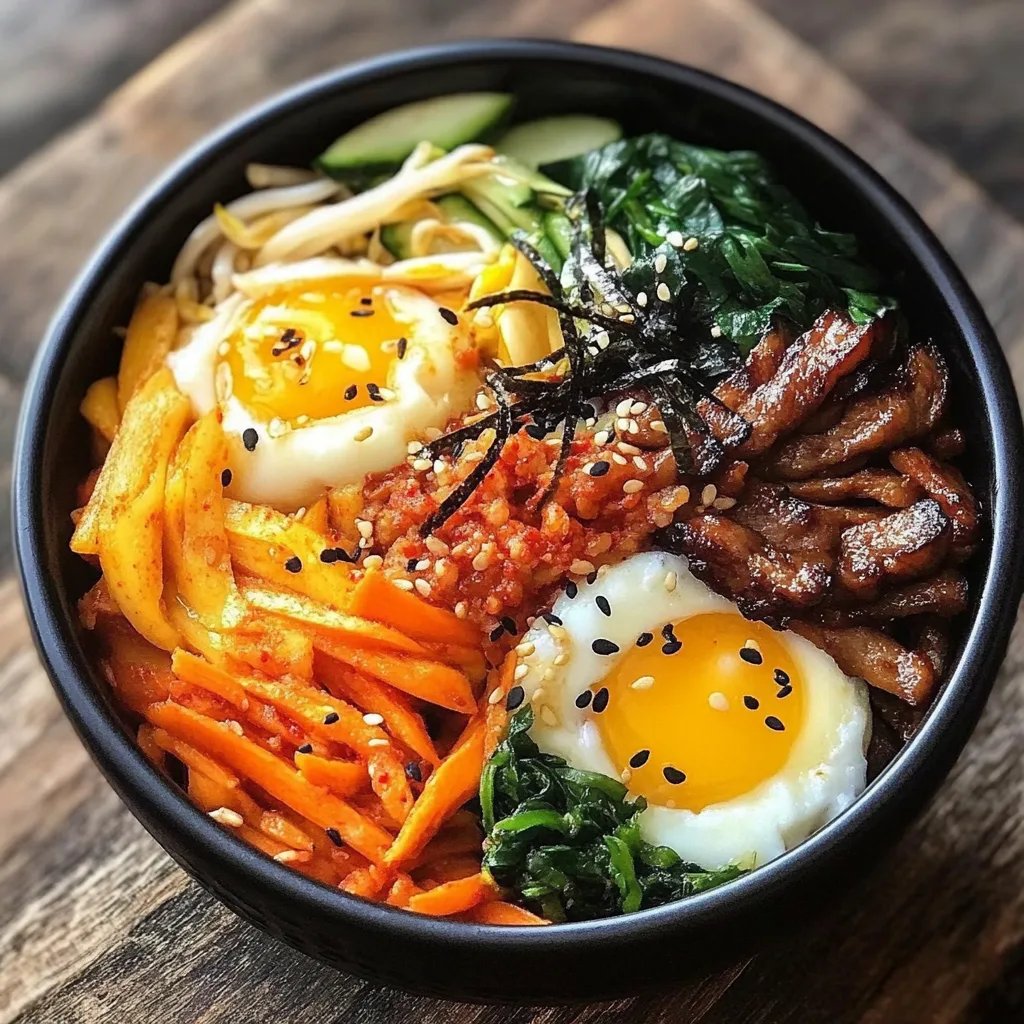
The Essence of Bibimbap
Bibimbap is a traditional Korean dish that beautifully combines a variety of ingredients, each bringing its unique texture and flavor to the bowl. At its core, bibimbap is about harmony, balancing fresh vegetables, perfectly cooked protein, and the signature kick of gochujang sauce. This makes it a versatile meal suitable for both casual dining and special occasions, allowing you to easily adapt it to different tastes and dietary needs.
Not only is bibimbap delicious, but it's also visually appealing. The array of vibrant colors from the vegetables creates an enticing dish that is as much a feast for the eyes as it is for the palate. By serving everything in one bowl, you can enjoy the experience of mixing all the ingredients together, creating a beautiful mosaic of flavors with each bite.
Customization at Its Best
One of the best features of bibimbap is its incredible adaptability. You can swap out vegetables or proteins based on what you have on hand or your specific dietary preferences. For instance, if you're looking for a vegetarian option, simply load up on an array of colorful vegetables and substitute eggs for your protein. Alternatively, if you prefer meat, grilled chicken or beef can provide a hearty and satisfying addition.
Moreover, bibimbap can cater to various dietary restrictions. Gluten-free individuals can use tamari instead of soy sauce, and vegans can opt for tofu and omit the eggs to create a fully plant-based meal. The combination of flavors allows you to tailor each serving to meet individual tastes without sacrificing taste or satisfaction.
Health Benefits of Bibimbap
In addition to being delicious, bibimbap is also a nutritious powerhouse. Packed with a variety of vegetables, it's rich in vitamins, minerals, and fiber, supporting a healthy diet. The gochujang sauce, made from fermented chili paste, can also offer beneficial probiotics, aiding in digestion and boosting your immune system.
The protein component, whether it's chicken, beef, tofu, or eggs, ensures you're getting enough sustenance to keep you energized throughout the day. By balancing all these nutrient-dense ingredients in a single meal, bibimbap provides a wholesome option that supports a healthy lifestyle without sacrificing flavor.
Ingredients
Vegetables
- 1 cup spinach, blanched
- 1 carrot, julienned
- 1 zucchini, julienned
- 1/2 cup bean sprouts
Protein
- 1 cup cooked rice
- 2 eggs, fried
- 1 cup protein of your choice (tofu, chicken, beef, etc.)
Sauce
- 2 tablespoons gochujang (Korean chili paste)
- 1 tablespoon sesame oil
- 1 teaspoon sugar
Mix and match your favorite veggies and protein!
Instructions
Cook the rice
Prepare the rice according to package instructions.
Prepare the veggies
Blanch the spinach, julienne the carrots and zucchini, and rinse the bean sprouts.
Fry the protein
Cook your chosen protein (tofu, chicken, beef) in a skillet until fully cooked.
Make the sauce
In a small bowl, combine gochujang, sesame oil, and sugar. Stir until smooth.
Assemble the bibimbap
In a bowl, layer the rice, sautéed vegetables, fried eggs, and protein. Drizzle with the gochujang sauce.
Serve
Mix everything together before eating to enjoy the flavors.
Enjoy your homemade bibimbap!
Tips for Perfecting Your Bibimbap
To ensure your bibimbap is delicious, start with quality ingredients. Fresh, seasonal vegetables not only taste better but also enhance the overall nutrition of the dish. Consider visiting local farmers' markets for the freshest produce, or even grow your own herbs and veggies for maximum flavor.
Another crucial tip is to pay attention to the cooking method of each component. Sautéing your vegetables quickly over high heat helps retain their vibrant colors and crunchy textures. Similarly, frying the eggs until the yolks are perfectly runny will add a rich, creamy contrast to the dish.
Storing and Reheating Bibimbap
If you've made a larger batch of bibimbap, you might find yourself with leftovers. Storing bibimbap is straightforward—simply keep the rice, vegetables, and protein in an airtight container in the fridge. However, it’s best to store the gochujang sauce separately to maintain its freshness.
When reheating, take care to avoid overcooking the vegetables. A quick stir-fry on the stovetop or a few minutes in the microwave should suffice. Add a splash of water in the microwave to steam the vegetables lightly, keeping their nutrients intact while ensuring they’re warmed through.
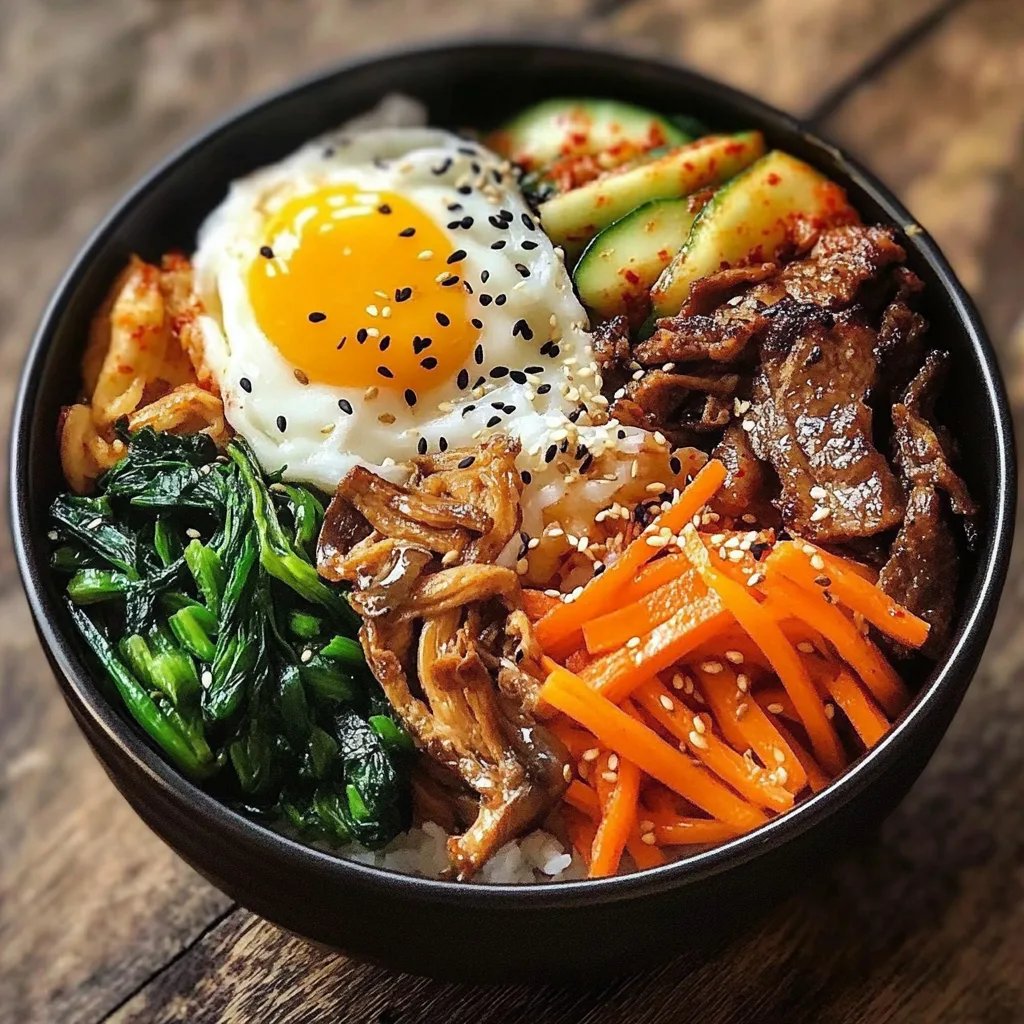
Questions About Recipes
→ Can I make bibimbap vegan?
Yes! Use tofu or mushrooms as a protein replacement.
→ What can I substitute for gochujang?
You can use a mix of miso and sriracha as a substitute.
Easy Korean Bibimbap
Experience the vibrant tastes of Korea with this Easy Korean Bibimbap recipe. Packed with colorful vegetables, tender protein, and a flavorful gochujang sauce, this dish is a delightful mix of textures and flavors that come together in a single bowl. Perfect for a quick weeknight dinner or a fun meal prep option, you’ll love how easily customizable this bibimbap is to suit your dietary preferences.
Created by: Emily
Recipe Type: Passport Plate Creations
Skill Level: Easy
Final Quantity: 4.0
What You'll Need
Vegetables
- 1 cup spinach, blanched
- 1 carrot, julienned
- 1 zucchini, julienned
- 1/2 cup bean sprouts
Protein
- 1 cup cooked rice
- 2 eggs, fried
- 1 cup protein of your choice (tofu, chicken, beef, etc.)
Sauce
- 2 tablespoons gochujang (Korean chili paste)
- 1 tablespoon sesame oil
- 1 teaspoon sugar
How-To Steps
Prepare the rice according to package instructions.
Blanch the spinach, julienne the carrots and zucchini, and rinse the bean sprouts.
Cook your chosen protein (tofu, chicken, beef) in a skillet until fully cooked.
In a small bowl, combine gochujang, sesame oil, and sugar. Stir until smooth.
In a bowl, layer the rice, sautéed vegetables, fried eggs, and protein. Drizzle with the gochujang sauce.
Mix everything together before eating to enjoy the flavors.
Nutritional Breakdown (Per Serving)
- Total Fat: 15g
- Sodium: 600mg
- Carbohydrates: 80g
- Protein: 20g