
Vegan Ricotta Simple Recipes and Tips for Dairy-Free Cheese
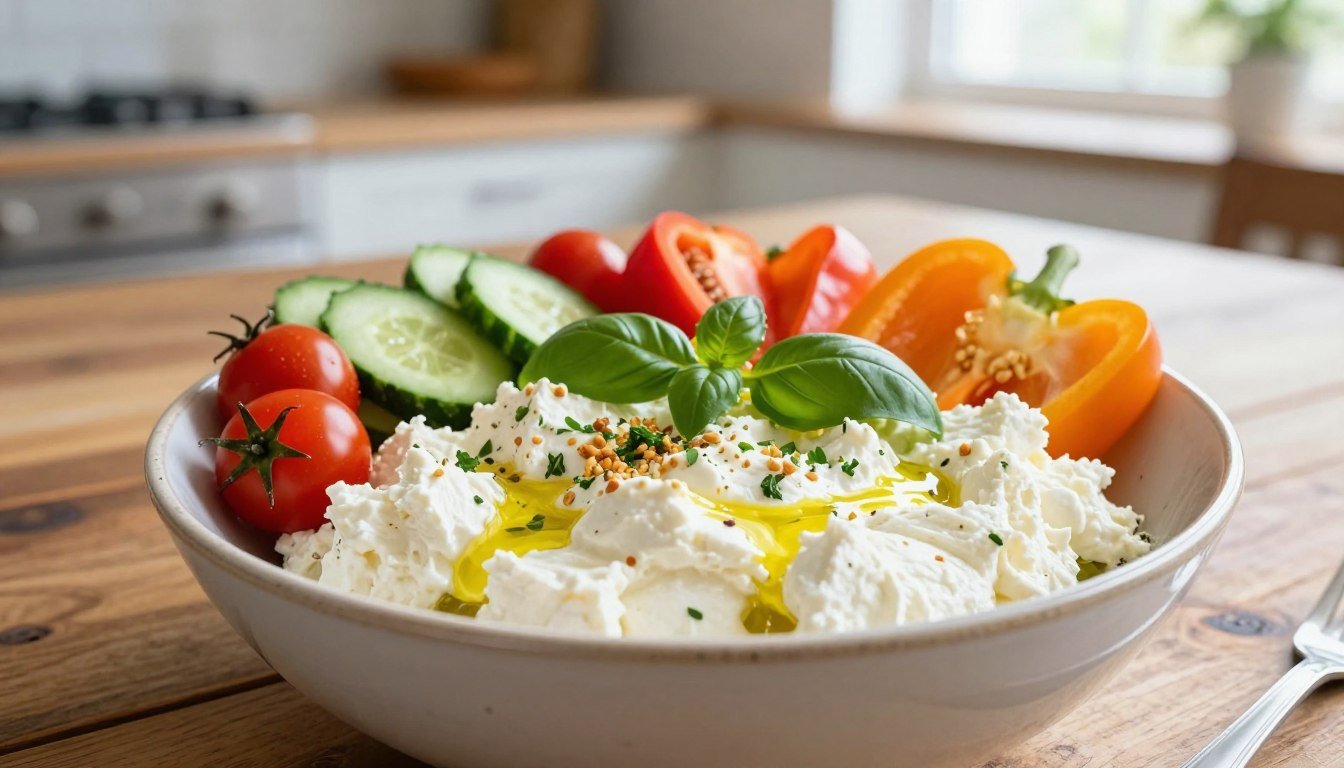
Do you miss the creamy, comforting texture of traditional Italian dishes? Many of us crave that melt-in-your-mouth experience in lasagna or stuffed shells. Luckily, you can make those beloved flavors with a plant-based alternative that’s easy to make at home.
By blending tofu, almonds, or dairy-free yogurt with fresh lemon and savory seasonings, you can make a delicious vegan ricotta. This versatile ingredient is great in pasta sauces and dessert fillings. Whether you’re a plant-based eater or just want to cut down on dairy, this vegan ricotta cheese will be a kitchen favorite.
In this guide, we’ll cover simple blending methods, essential ingredient swaps, and expert tips. You’ll also learn how to store and serve your homemade cheese in both savory and sweet dishes.
Key Takeaways
- Learn how to create a creamy, dairy-free filling using simple pantry staples.
- Discover the best base ingredients like tofu and almonds for the perfect texture.
- Master the art of seasoning to achieve an authentic, savory flavor profile.
- Get practical advice on storing your homemade cheese to maintain freshness.
- Explore versatile serving ideas for both classic pasta dishes and desserts.
What Makes Vegan Ricotta Creamy and Versatile
Exploring dairy-free ricotta reveals how simple ingredients can become rich and satisfying. You don’t need complicated recipes to make it. By mixing fats, proteins, and acidity, you create a versatile kitchen staple.
How Dairy-Free Ricotta Compares With Traditional Ricotta
Traditional ricotta is known for its light texture and mild taste. Making plant-based ricotta aims to replicate this. It uses plant proteins for a similar creamy consistency.
The main difference is in fat sources and coagulation methods. Instead of heating milk, blending creates a smooth base. This ensures your dish stays moist during baking.
Core Ingredients That Create Creaminess, Texture, and Flavor
Choosing the right ingredients is key. Tofu gives a neutral texture, while nuts like cashews add richness. Seeds and white beans boost protein.
Flavor is crucial too. Lemon juice or apple cider vinegar add tang. Nutritional yeast brings a savory, umami-rich taste. Fresh herbs like basil brighten the flavor.
| Base Ingredient | Texture Profile | Best Use Case |
|---|---|---|
| Firm Tofu | Light and Curdled | Lasagna and Baked Pasta |
| Cashews | Ultra-Smooth | Spreads and Dips |
| White Beans | Dense and Hearty | Sandwich Fillings |
| Sunflower Seeds | Nut-Free Creaminess | Pizza Toppings |
Ways to Use Plant-Based Ricotta in Everyday Meals
Plant-based ricotta is a versatile kitchen staple. It’s great in stuffed pasta shells or vegetable lasagna. It keeps dishes moist and flavorful.
It’s also perfect for cold dishes. Spread it on toasted sourdough or use as a dip. It adds satisfying richness to any meal.
Essential Ingredients and Equipment for Homemade Vegan Ricotta
Making the perfect dairy-free cheese starts with the right ingredients. You can choose a light, fluffy texture or a dense, creamy spread. Your base choice affects the final taste of your homemade vegan ricotta.
Choosing Tofu, Nuts, Seeds, or Beans as the Base
The base you pick changes the taste and feel of your dish. Tofu gives a neutral taste like traditional cheese. Nuts add a rich, fatty flavor.
- Tofu: Great for a classic, crumbly texture.
- Almonds/Cashews: Offers a luxurious, buttery feel.
- Sunflower Seeds: A nut-free option for those with allergies.
- White Beans: Adds protein and fiber, with less fat.
For a rich taste, try mixing things up. A vegan almond ricotta mix uses 1½ cups of soaked almonds, 6 ounces of tofu, and ½ cup of dairy-free yogurt. It creates a complex, rich flavor.
Flavor-Building Ingredients for a Savory Cheese
After picking your base, add flavors to get the tangy taste of dairy. Nutritional yeast is key for a savory, cheesy depth that balances the mildness of tofu or beans.
Don’t forget to add acidic elements like lemon juice or apple cider vinegar. They brighten the mix and give it the needed “bite” for a real cheese taste.
Blender, Food Processor, and Hand-Mixing Options
The tools you use affect the cheese’s texture. You can get different textures with a blender, food processor, or simple tools like a fork or potato masher.
When to Use a Food Processor for a Textured Finish
A food processor is best for a visibly textured, rustic homemade vegan ricotta. It pulses ingredients without over-processing, perfect for lasagna fillings where you want some structure.
When a Blender Works Better for Smooth Ricotta
For a silky, spreadable ricotta, a high-speed blender is better. This is especially true for vegan almond ricotta, as it makes the nuts smooth and creamy.
| Base Type | Best Tool | Texture Result |
|---|---|---|
| Tofu | Fork/Masher | Crumbly/Rustic |
| Soaked Nuts | Blender | Silky/Creamy |
| White Beans | Food Processor | Dense/Spread |
How to Make Basic Vegan Ricotta
Turning simple pantry items into creamy cheese is key for any vegan kitchen. By using a vegan ricotta recipe, you can get a taste and texture like dairy cheese. This method uses protein-rich bases and tangy seasonings for a versatile ingredient.
Ingredients for a Simple Dairy-Free Ricotta
Start by gathering your main ingredients. You’ll need soaked almonds or pressed tofu for structure.
- Base: Soaked raw almonds or extra-firm tofu.
- Creaminess: Dairy-free yogurt or unsweetened plant milk.
- Flavor: Nutritional yeast, lemon juice, garlic, salt, and black pepper.
- Herbs: Fresh parsley or basil for a bright finish.
Preparing the Base Before Blending
Getting your base right is crucial for homemade vegan ricotta. If using almonds, soak them in water overnight. This makes them soft and helps with blending.
For tofu, press it for thirty minutes to remove excess water. This step is key to avoid a thin ricotta. Always dry your ingredients before blending.
Blending and Adjusting the Cheese Mixture
Put your base in a food processor or blender. Add seasonings, lemon juice, and nutritional yeast slowly for even mixing.
Pulse the mixture in short bursts. Stop often to scrape down the bowl. Taste and adjust the seasoning as needed.
Resting the Ricotta for Better Flavor and Texture
Once it’s the right consistency, move the mixture to a bowl. Let it rest for twenty minutes. This time helps the flavors and textures blend well.
How to Keep the Mixture Thick Instead of Watery
If it’s too thin, don’t add more liquid. Instead, add a bit of nutritional yeast or almond flour. Start with a very dry base to avoid excess moisture.
How to Create Small Curds Without Overprocessing
To get a grainy texture, don’t over-blend. Over-processing makes it smooth instead of ricotta-like. Use the pulse function carefully and stop when it still has texture.
Vegan Tofu Ricotta for Lasagna, Pasta, and Stuffed Shells
Turning extra-firm tofu into a cheese-like dish is a game-changer for your kitchen. It’s a protein-rich base that feels like real cheese. With vegan tofu ricotta, you can enjoy your favorite dishes without dairy.
Pressing and Crumbling Tofu for the Right Consistency
To get the best results, start by drying out your tofu. Wrap it in a clean towel and weigh it down for twenty minutes. This makes your vegan ricotta stay firm while baking.
After drying, crumble the tofu into a bowl. Use your hands or a fork to get small, uneven pieces. This texture makes your dishes feel more real.
Seasoning Tofu Ricotta With Nutritional Yeast and Herbs
Flavor is key with tofu. Mix in nutritional yeast for a savory, cheesy taste. Add garlic powder, onion powder, and white miso for depth.
Use fresh lemon juice and olive oil to brighten it. Season with sea salt and black pepper to taste. These touches make your vegan tofu ricotta taste amazing.
Using Tofu Ricotta in Layered and Baked Dishes
This recipe is great for many dishes. It works well for lasagna or pasta shells, staying easy to handle.
Making a Firm Filling for Lasagna and Manicotti
For pasta dishes, you need a filling that doesn’t move. Make it drier by avoiding extra liquids. This keeps your vegan ricotta stable with noodles and sauce.
Making a Softer Spread for Toast and Pasta
For a creamier spread, add plant milk. A food processor can make it smooth. It’s perfect on sourdough or in warm fettuccine.
| Application | Consistency | Key Adjustment |
|---|---|---|
| Lasagna Filling | Firm and Chunky | Press tofu thoroughly |
| Pasta Spread | Smooth and Creamy | Add plant-based milk |
| Stuffed Shells | Medium-Firm | Minimal blending |
Vegan Almond Ricotta With a Rich, Nutty Flavor
Vegan almond ricotta is a sophisticated twist on classic cheese. It has a robust flavor that shines in any dish. This version offers a deeper taste than lighter bases, making it perfect for gourmet plant-based meals.
Soaking Almonds for Smooth Homemade Ricotta
Start by soaking your almonds overnight. This softens them, making them creamy instead of gritty. Proper hydration is the secret to a top-notch result.
Blending Almonds Without Making Nut Butter
When blending, use short, controlled pulses. Blending too long can turn it into nut butter. This way, your dairy-free ricotta stays crumbly and light.
Adjusting Almond Ricotta for Savory and Sweet Recipes
You can adapt this base for various dishes. For savory, add nutritional yeast, garlic, and parsley. For sweet, omit the savory and add a sweetener.
How to Make the Mixture Extra Smooth
For a silkier texture, blend with silken tofu or dairy-free yogurt. This mix balances the nuts’ density, making it luxurious and spreadable for stuffed pasta.
How to Add Brightness With Lemon and Fresh Herbs
Finish with fresh lemon juice to brighten the flavor. Add chopped herbs like basil or chives for a vibrant contrast. These touches make your vegan almond ricotta fresh and balanced.
Other Plant-Based Ricotta Bases to Try
Exploring different bases can make your homemade creations taste amazing. You can use nuts, seeds, and legumes to make the perfect plant-based ricotta. This way, you can find the flavor and texture you love.
Cashew Ricotta for the Smoothest Texture
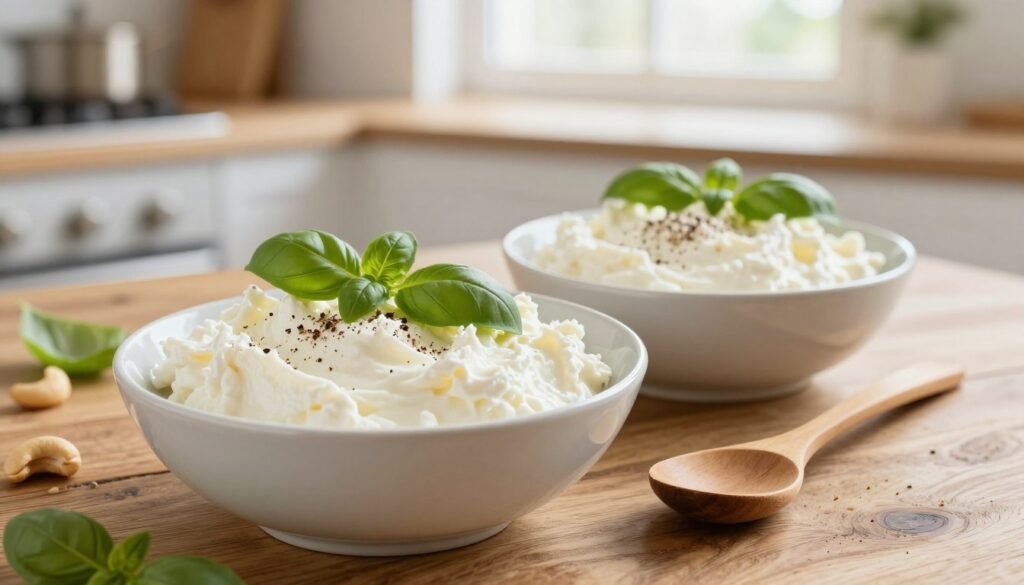
Cashews are great for a smooth, creamy texture. Soaking and blending them makes a remarkably smooth ricotta. It’s perfect for those who want a rich, neutral taste that goes well with many flavors.
Sunflower Seed Ricotta for a Nut-Free Option
Sunflower seeds are a great choice for those with nut allergies. They’re creamy like cashews but safe for everyone. This vegan ricotta cheese has a unique, savory taste that’s great in baked pasta.
White Bean Ricotta for Added Protein and Fiber
White beans like cannellini or navy beans make your ricotta healthier. They add body and keep the fat content low. This makes your cheese more nutritious.
Combining white beans with a small amount of cashews creates a wonderful, soy-free base that balances creaminess with high fiber content.
Walnut Ricotta for a Deeper, Earthier Flavor
Walnuts add a bold, complex flavor to your dishes. They give a deeper, earthier taste that’s perfect when you want the cheese to be the main flavor. Always add fresh basil or parsley at the end to brighten your dish.
- Cashews: Best for ultra-smooth textures.
- Sunflower Seeds: Perfect for nut-free requirements.
- White Beans: Excellent for added protein and fiber.
- Walnuts: Ideal for a robust, earthy flavor profile.
How to Adjust Flavor, Texture, and Thickness
If your dairy-free cheese isn’t quite right, don’t worry. Most problems are easy to fix. You can often save a vegan ricotta by adjusting a few key things. A little patience can help perfect your homemade cheese.
Fixing Ricotta That Tastes Bland
Blandness is a common issue when trying a new vegan ricotta recipe. If it tastes flat, it might need more salt or acidity. Always taste your mixture carefully before making big changes to the seasoning.
Fixing Ricotta That Is Too Dry or Crumbly
A dry texture often comes from using too much base ingredient. To make it creamy again, slowly add fats or liquids. Adding moisture helps the cheese bind and improves its feel in your mouth.
Fixing Ricotta That Is Too Thin or Wet
If your mixture is too runny, it might have been blended too long or had too much water. You can fix this by adding more base ingredients, like nuts or tofu. Or, let it rest in the fridge for an hour to firm up naturally.
When to Add More Lemon Juice, Salt, or Nutritional Yeast
- Lemon juice: Add this for a bright, tangy finish.
- Salt: Use this to boost the savory flavors.
- Nutritional yeast: Stir this in for a deeper, cheesier taste.
When to Stir in Water, Plant Milk, or Olive Oil
Use these liquids carefully to adjust your vegan ricotta‘s texture. Add them one tablespoon at a time to avoid making it too thin.
- Plant milk: Use this for a smoother, creamier texture.
- Olive oil: Add this for a richer feel and deeper flavor.
- Water: Use a tiny splash to loosen up a very dense batch.
Best Ways to Use Vegan Ricotta in Meals
Plant-based ricotta is great for many dishes, from savory to sweet. You can make it thick for filling or light for spreading. This lets you change it for different recipes easily.
Stuffing Pasta Shells, Manicotti, and Ravioli
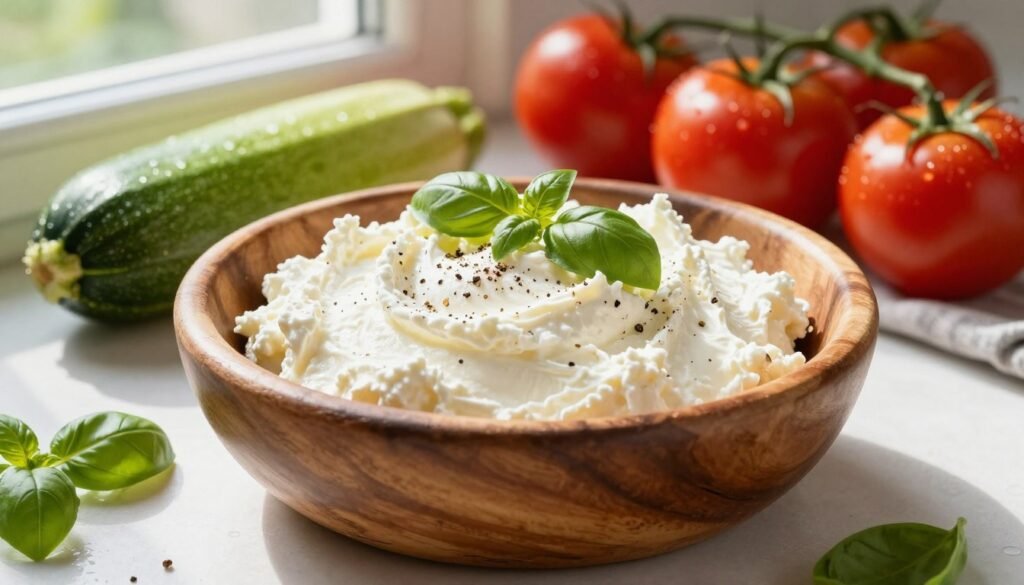
For stuffed pasta, you want a firmer texture. A thicker mix keeps the filling in the pasta while baking. Use less liquid or add almond flour to absorb moisture.
Layering Ricotta Into Vegetable Lasagna
Lasagna is a top choice for vegan ricotta cheese. Spread it between pasta and veggies. The oven will melt it, making it creamy and smooth like dairy.
Spreading It on Toast, Crostini, and Sandwiches
For a quick snack, whip your plant-based ricotta softer. It’s great on avocado toast or with tomatoes and basil.
“Simplicity is the ultimate sophistication in the kitchen,” as many chefs often remind us.
This shows off the fresh taste of your homemade cheese.
Adding It to Pizza, Flatbread, and Grain Bowls
Put your cheese on hot pizza or flatbread for a fresh touch. It’s also good in grain bowls with chickpeas and greens. Add parsley or black pepper for extra flavor.
Creating Sweet Dairy-Free Ricotta Desserts
Making desserts with your ricotta is easy. Just leave out the savory ingredients. Add maple syrup, vanilla, or lemon zest for a sweet filling in crepes or tarts.
Storage, Food Safety, and Make-Ahead Tips
Keeping your plant-based cheese fresh is key. After you’re done, put the mixture in a clean, airtight container. This keeps it fresh. Always refrigerate your dairy-free ricotta right away to stop bacteria from growing.
How to Store Vegan Ricotta in the Refrigerator
Choose a glass or high-quality plastic container with a tight lid. This keeps moisture in and odors out. Place it on a middle shelf in the fridge for even temperatures. This helps keep your homemade vegan ricotta tasting great.
How Long Tofu, Nut, and Bean Ricotta Last
The shelf life depends on the ingredients. A mix of almonds and tofu lasts three to five days. Tofu-only ricotta can last up to a week in the fridge.
Freezing and Thawing Dairy-Free Ricotta
Freeze extra ricotta for up to two months. Thaw it in the fridge slowly. Don’t thaw at room temperature to keep it safe and creamy.
How to Restore Texture After Refrigeration
Chilling might change the texture. Stir the mixture well to get it creamy again. If it’s too dry, add a little water or olive oil for that luxurious mouthfeel.
Signs That Homemade Ricotta Should Be Discarded
Food safety is crucial with plant-based ingredients. Throw away your ricotta if you see:
- An unusual or sour smell.
- Mold or fuzzy growth.
- Unusual color or dark spots.
- It’s been more than seven days in the fridge.
Choosing the Best Vegan Ricotta Substitute for Your Recipe
Choosing the right base for your dairy-free cheese is key. It depends on how you plan to use it. For baking, you need something firm. For dips, something silky works best.
Understanding how ingredients behave is crucial. This knowledge helps you achieve the best results in your cooking.
Best Substitutes for Lasagna and Stuffed Pasta
For baked dishes like lasagna, you need a base that keeps its shape. Vegan tofu ricotta is perfect because it’s dense and crumbly. It doesn’t melt away, giving a satisfying bite.
Best Substitutes for Spreads and Dips
For dips and spreads, you want something smooth. Cashew-based mixtures are great because they create a creamy texture. White beans also work well, offering a light and fresh taste.
Best Substitutes for Desserts and Sweet Fillings
For sweet fillings, choose a milder base. Almond-based mixtures are perfect because they add a subtle sweetness. They’re light and work well with sugar and vanilla.
How to Match Texture, Moisture, and Flavor
To get the perfect balance, make small adjustments. Add dairy-free milk or olive oil for moisture. Nutritional yeast adds depth. If it’s too thin, add more solids or chill it.
| Base Ingredient | Best Use Case | Texture Profile | Flavor Intensity |
|---|---|---|---|
| Extra Firm Tofu | Baked Pasta | Crumbly & Dense | Neutral |
| Soaked Cashews | Spreads & Dips | Silky & Smooth | Rich & Buttery |
| Blanched Almonds | Sweet Fillings | Creamy & Light | Mild & Nutty |
| White Beans | Healthy Dips | Soft & Spreadable | Earthy |
Remember, your vegan ricotta substitute can be tailored to your taste. Try adding lemon juice or fresh basil for a unique flavor. Adjust seasoning until it’s just right.
Conclusion
You now know how to make tasty vegan ricotta from simple ingredients. Use it in stuffed shells, lasagna, or pizza toppings. It adds real texture to your favorite dishes.
Try using tofu, almonds, cashews, seeds, beans, and walnuts. Each one has its own benefits like protein and flavor. Soaking nuts or pressing tofu helps get the right consistency.
Don’t be afraid to adjust the seasonings to your liking. Storing your creations properly keeps them fresh for later. Start your vegan ricotta journey with these basic steps.