
Gluten Free White Bread: Ingredients
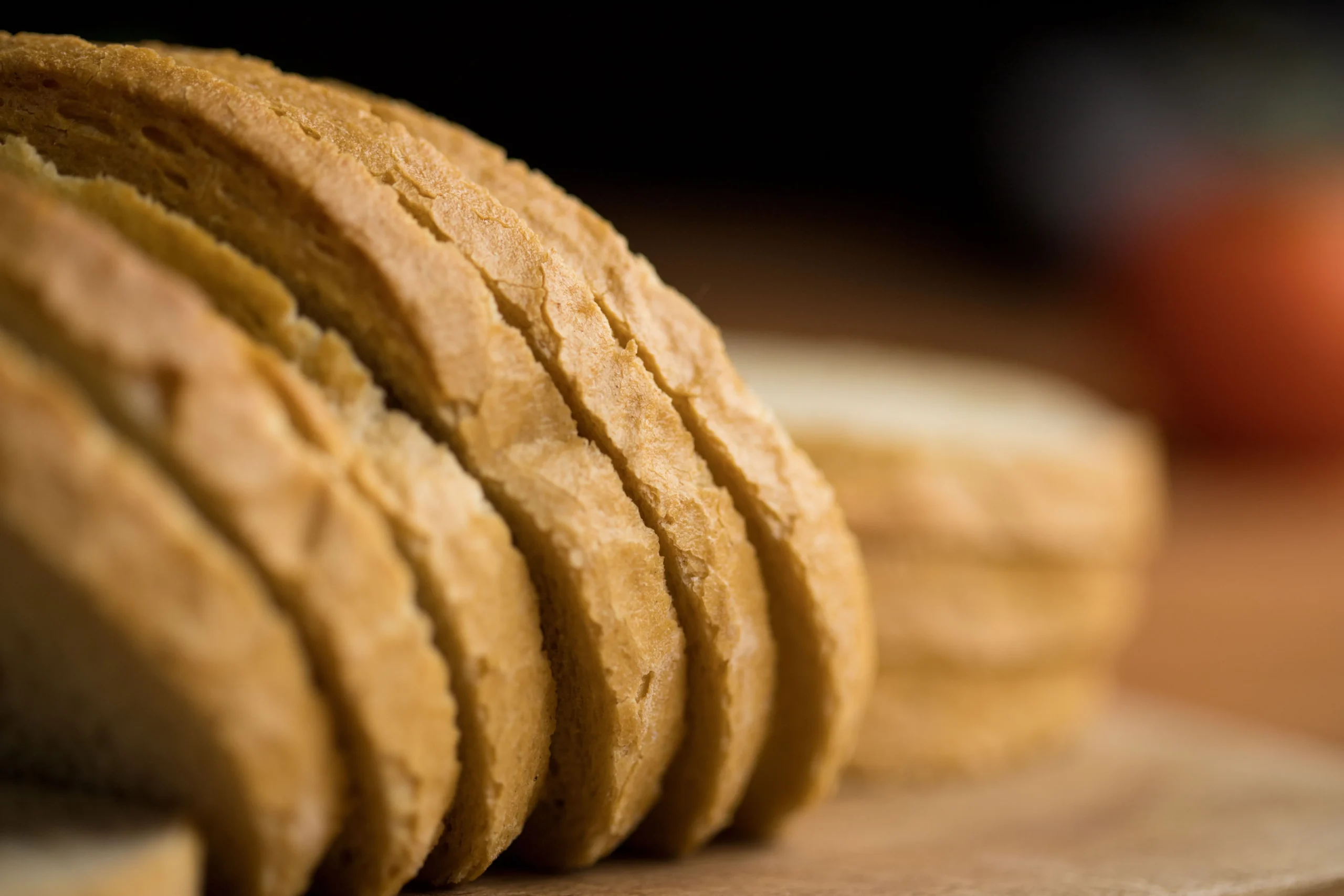
Table of Contents
Gluten Free White Bread: Ingredients, Calories, Nutrition, and Franz Bread.
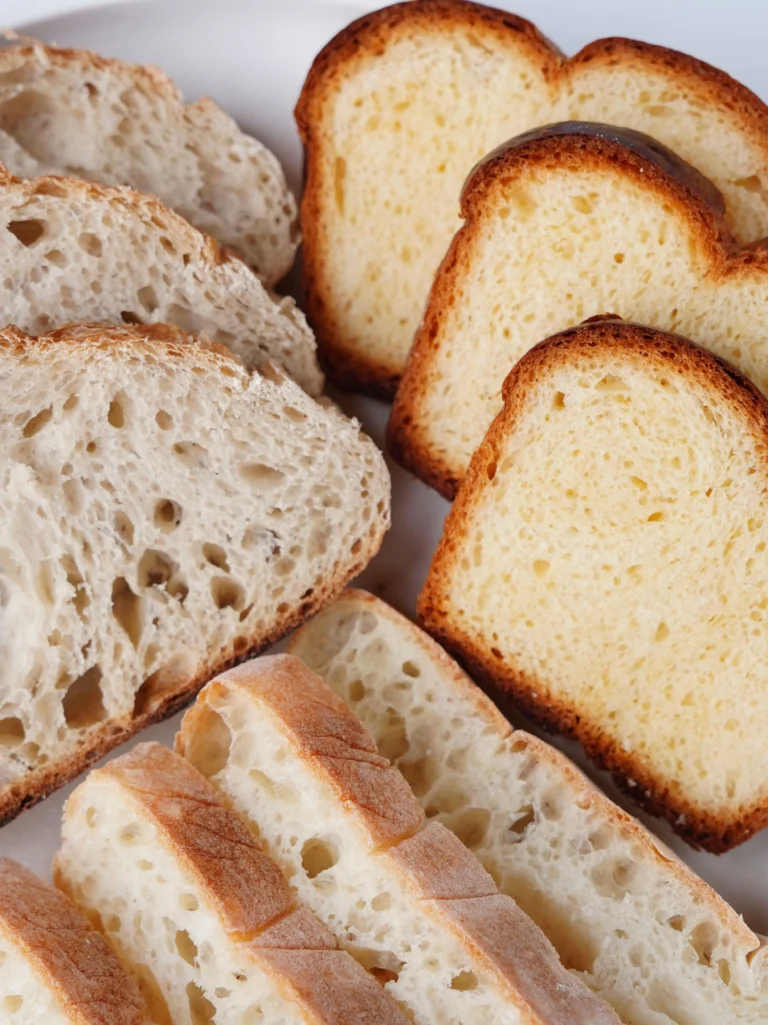
Gluten-free white bread is designed to provide the familiar look and function of traditional white sandwich bread without using gluten-containing grains such as wheat, barley, or rye. Instead of regular wheat flour, these breads rely on combinations of rice flour, tapioca starch, sorghum flour, potato starch, corn starch, and other gluten-free ingredients.
The result can look similar to regular white bread, but the texture, structure, nutrition, and shelf life may be different because gluten plays an important role in conventional bread making.
No single nutrition profile applies to every loaf. Gluten-free bread calories, carbohydrate content, fiber, protein, and fat can vary substantially by recipe and serving size. Brand-specific products such as Franz gluten-free bread show how these differences appear on a real nutrition label.
What Is Gluten Free White Bread?
Gluten-free white bread is a bread made without ingredients that contain gluten and designed to resemble traditional white bread in color, texture, and everyday use.
Traditional white bread is usually made with refined wheat flour. Wheat flour contains the proteins that form gluten when mixed with water.
Gluten creates an elastic network inside dough. That network helps bread stretch, trap gas produced by yeast, and hold its shape as it rises and bakes.
Without wheat gluten, bakers need another way to create structure.
That is why Gluten Free White Bread: Ingredients commonly combines several flours, starches, gums, fibers, and binders rather than relying on one flour alone.
A loaf might use rice flour as its main flour and combine it with tapioca or potato starch to soften the crumb. Xanthan gum, guar gum, psyllium husk, or eggs may then help hold everything together.
The goal is usually to produce slices that can function like ordinary sandwich bread without falling apart.
What Is Gluten-Free White Bread Made From?
No universal recipe exists for gluten-free white sandwich bread, but several ingredients appear frequently.
Common flour and starch ingredients include:
- brown or white rice flour
- tapioca starch
- potato starch
- corn starch
- sorghum flour
- millet flour
- buckwheat flour
- oat flour made from gluten-free oats
Starches are particularly important because they help create a lighter texture. Gluten-free bread made entirely from dense whole-grain flours can become heavy or crumbly.
Bakers may also use binders such as xanthan gum or guar gum. These ingredients help replace some of the elasticity normally provided by gluten.
Psyllium husk is another option, particularly in homemade recipes. It absorbs water and can improve moisture retention and dough structure.
Other common gluten-free bread ingredients include yeast, salt, oil, sugar, vinegar, and water.
Some recipes also contain eggs. Eggs contribute structure and moisture, but their presence means that the bread is not vegan.
The exact formulation varies considerably between brands, which is why two loaves labeled “gluten-free white bread” can have noticeably different textures and nutrition profiles.
Gluten Free Bread Calories
No single calorie count applies to all gluten-free bread.
Calories depend on slice size and the mix of flours, starches, oils, sugars, seeds, eggs, and other ingredients.
A standard slice of packaged gluten-free bread often falls within the calorie range of ordinary sandwich breads. Still, always use the product’s nutrition label rather than guessing.
For example, Franz Gluten Free Mountain White Bread lists 80 calories per 36-gram slice. Its label also lists 16 grams of carbohydrate, 1 gram of fiber, 1 gram of total sugar, 1 gram of added sugar, 1.5 grams of fat, and 2 grams of protein per slice.
This illustrates why serving size matters.
A smaller slice can have fewer calories even if the bread itself is not especially low in calorie density. Another brand may use a larger slice, more oil, additional seeds, or more sugar and therefore have a different calorie count.
When comparing gluten-free bread calories, check both:
Calories per serving and grams per serving.
Looking only at calories without considering slice weight can make two products appear more different than they really are.
Gluten Free Bread Nutrition
Gluten-free bread can vary widely in carbohydrate, fiber, protein, fat, sodium, and sugar.
Carbohydrates
Many gluten-free breads are built around rice flour and starches, so carbohydrates often make up a large share of their calories.
Gluten-free does not mean low-carb.
A loaf made with rice flour, tapioca starch, potato starch, or corn starch can contain as much carbohydrate as regular bread, and sometimes more depending on the formulation.
Fiber
Fiber levels depend heavily on the ingredients.
Bread made mostly from refined starches may contain relatively little fiber. Products using sorghum, brown rice flour, seeds, psyllium husk, or other whole-grain ingredients may provide more.
Franz Mountain White, for example, lists 1 gram of fiber per 36-gram slice.
Protein
Traditional wheat bread receives some protein from wheat flour. Gluten-free formulas often rely more heavily on starches, which may result in lower protein unless the recipe includes eggs, seeds, legumes, or higher-protein grains.
Fat and sugar
Oil is often added to gluten-free bread to improve softness and moisture.
Small amounts of sugar or syrup may also be used for flavor, browning, or yeast activity.
Again, this varies by brand.
Sodium
Packaged breads can also contribute sodium. Franz Mountain White currently lists about 150 mg sodium per slice on one current retail label.
The broader point is that you should evaluate gluten-free bread nutrition product by product.
Gluten Free White Bread vs Regular White Bread
The biggest difference between gluten-free bread vs regular bread is the flour structure.
Traditional white bread generally uses wheat flour, while gluten-free bread relies on alternatives such as rice flour, sorghum flour, and starches.
That difference affects several characteristics.
Texture
Regular wheat bread naturally develops elasticity through gluten.
Gluten-free bread needs gums, starches, fibers, or eggs to recreate some of that structure.
Crumb
Wheat bread can develop a soft, springy crumb with relatively few structural ingredients.
Gluten-free bread may be more delicate, dense, moist, or crumbly depending on the recipe.
Nutrition
Neither category has one fixed nutritional profile.
Regular white bread can vary widely, and gluten-free bread can vary just as much.
Some gluten-free products contain whole grains and fiber. Others depend mainly on refined starches.
Carbohydrates
Removing gluten does not automatically reduce carbohydrate content. Rice flour and tapioca starch are still carbohydrate-rich ingredients.
Shelf life
Gluten-free bread often dries out more quickly after opening because its structure and moisture behavior differ from wheat bread.
Manufacturers may use special packaging, oils, gums, or other techniques to help it stay soft.
Is Gluten-Free Bread Healthier?
Gluten-free bread is not automatically healthier than regular bread.
For people who need to avoid gluten, gluten-free bread provides a way to eat bread without conventional wheat-based ingredients.
That is particularly relevant for people diagnosed with celiac disease or those advised to avoid gluten for specific medical reasons.
However, the term “gluten-free” does not tell you everything about nutritional quality.
One loaf may contain whole grains, seeds, and several grams of fiber. Another may rely mostly on refined starches with little fiber or protein.
The useful questions are the same ones that apply to other packaged foods:
- How much fiber does it provide?
- How much sodium is present?
- How much added sugar is used?
- What is the serving size?
- What are the main ingredients?
- Does it contain whole grains?
A gluten-free label describes the absence of gluten. It does not automatically mean low-carb, low-calorie, high-fiber, or nutritionally superior.
Franz Gluten Free Bread
Franz gluten-free bread is a product line from Franz Bakery that includes several types of gluten-free bread.
Franz’s current gluten-free range lists Mountain White, Seven Grain, Great Seed, and Hawaiian breads, along with several deli-style breads and buns.
The Mountain White variety is particularly relevant to the broader gluten-free white bread category.
According to Franz, it produces its gluten-free products in a dedicated gluten-free bakery, and the company says its products are GFCO certified. Franz also states that its gluten-free breads are made without wheat, soy, nuts, dairy, or chemical preservatives.
Franz Mountain White ingredients
A current retail label lists the main ingredients as water, brown rice flour, tapioca starch, tapioca syrup, and whole-grain sorghum flour. It also contains smaller amounts of xanthan gum, dried whole egg, safflower oil, salt, vinegar, yeast, and enzymes.
This ingredient list is a useful example of how commercial gluten-free bread is structured.
Brown rice and sorghum provide the flour base, while tapioca starch helps with softness and texture. Xanthan gum provides binding, and egg contributes additional structure.
Franz Mountain White nutrition
A current 36-gram slice lists:
- 80 calories
- 16 g carbohydrate
- 1 g fiber
- about 1–2 g sugar depending on the current label source
- 1.5 g fat
- around 1–2 g protein
- about 150–160 mg sodium
Because labels can change, the packaging on the current loaf is the most reliable source for exact values.
Is Franz Gluten Free Bread the Same as Gluten Free White Bread?
Not exactly.
Gluten-free white bread is a general product category.
Franz Gluten Free Mountain White is one specific branded product within that category.
Many companies produce gluten-free white or sandwich-style breads, and each uses a different recipe.
Franz Mountain White uses brown rice flour, tapioca starch, sorghum flour, egg, and other ingredients. Another brand may use potato starch, corn starch, millet, psyllium husk, or completely different binders.
So Franz bread can be an example of gluten-free white bread, but its nutrition and ingredients don’t apply to every gluten-free loaf.
Is Gluten-Free White Bread Vegan?
Gluten-free bread is not automatically vegan.
“Gluten-free” refers to gluten-containing grains. “Vegan” refers to the absence of animal-derived ingredients.
A gluten-free bread can contain:
- eggs
- milk
- whey
- butter
- honey
Franz Mountain White is a good example of why checking the ingredient list matters. Although Franz says the bread is dairy-free, the current ingredient list contains dried whole egg, so this specific product is not vegan.
Many common gluten-free bread ingredients are naturally plant-based, including rice flour, sorghum flour, tapioca starch, potato starch, psyllium husk, xanthan gum, vegetable oil, yeast, and water.
Still, you should check the full label when both gluten-free and vegan requirements matter.
Why Gluten-Free Bread Has a Different Texture
Gluten-free bread often feels different because gluten normally provides both elasticity and structure.
When bakers knead wheat dough, gluten proteins create a stretchy network that traps carbon dioxide from yeast.
That is what helps conventional bread rise while staying flexible.
Without gluten, dough behaves more like a thick batter. Bakers compensate by combining starches with gums, fibers, eggs, or other binders.
The balance is delicate.
Too much starch can make bread gummy. Too little moisture can make it dry and crumbly. Too little binder can cause slices to break apart.
This is also why soft gluten-free bread often contains several structural ingredients instead of a short flour-water-yeast formula.
How to Store Gluten Free White Bread
Gluten-free bread often benefits from careful storage because it can dry out relatively quickly after opening.
Manufacturer instructions should always come first.
Franz says its Mountain White bread has a 45-day shelf life before opening. The company uses modified-atmosphere packaging to help control mold without chemical preservatives.
Retail product information states that once opened, Franz gluten-free bread is generally intended to stay fresh for several days without refrigeration when properly stored.
Directions may differ for other brands.
Freezing is also common for gluten-free bread, especially if you won’t use a loaf quickly. You can separate individual slices before freezing so you only thaw what you need.
Toasting can improve the texture of bread that has been frozen or has begun to dry slightly.
Store-Bought vs Homemade Gluten Free White Bread
Store-bought and homemade gluten-free bread can use many of the same basic ingredients, but they differ in control and convenience.
Commercial bread is formulated for consistent slicing, packaging, transport, and shelf life. Manufacturers may combine several flours, starches, gums, oils, enzymes, and packaging techniques to maintain texture.
Homemade bread gives the baker more control over ingredients.
A homemade loaf can be adjusted to include more whole grains, psyllium husk, seeds, or different flour blends.
On the other hand, homemade gluten-free bread may have a shorter shelf life and can require more experimentation to achieve a soft sandwich-style texture.
Neither is automatically more nutritious. The final nutrition depends on the actual recipe.
Frequently Asked Questions
How many calories are in gluten-free bread?
The number varies by brand and slice size. Franz Gluten Free Mountain White currently lists 80 calories per 36-gram slice, but other breads may differ.
Is gluten-free white bread healthier than regular bread?
Not automatically. Nutritional quality depends on fiber, whole grains, protein, sodium, added sugars, serving size, and overall ingredients, not the gluten-free label alone.
Is Franz gluten-free bread vegan?
Franz Mountain White is not vegan based on its current ingredient list because it contains dried whole egg.
What is gluten-free white bread made from?
Common ingredients include rice flour, tapioca starch, potato starch, sorghum flour, corn starch, gums, yeast, oil, and sometimes eggs.
Does gluten-free bread have fewer carbs?
Not necessarily. Many gluten-free breads use carbohydrate-rich flours and starches so that they can contain similar amounts of carbohydrate to conventional bread.
Why is gluten-free bread sometimes dense?
Without gluten, bread lacks the elastic protein network that normally traps gas and supports a light crumb. Bakers use starches, gums, fibers, and other binders to compensate.
Does gluten-free bread need to be refrigerated?
Not always. Storage instructions depend on the brand. Some packaged gluten-free breads are designed for room-temperature storage, while others may recommend refrigeration or freezing after opening.
Can gluten-free bread be frozen?
Yes. Freezing is commonly used to extend shelf life, especially when a loaf will not be eaten within a few days.