
Gluten-Free Pumpkin Bread: Moist Vegan Pumpkin Loaf
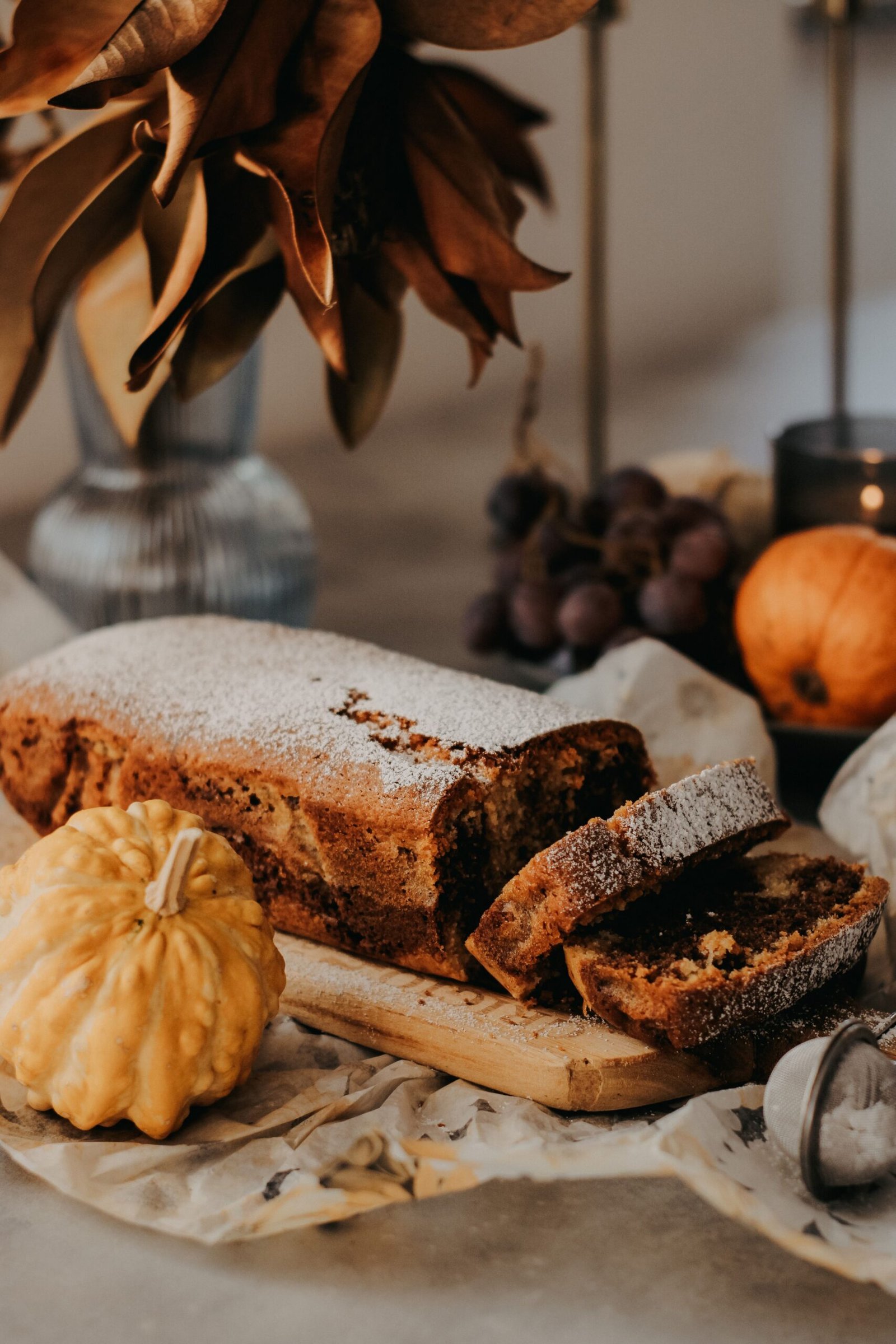
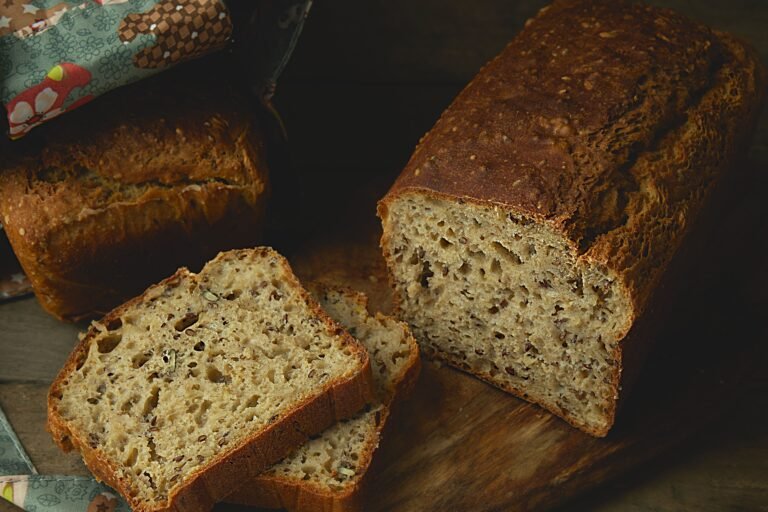
This gluten-free pumpkin bread is soft, warmly spiced, fully vegan, and naturally dairy-free. Pumpkin puree keeps the loaf moist, while a reliable gluten-free flour blend and flax egg provide enough structure for clean slices once the bread has cooled.
The batter is intentionally thick and moist. That matters because gluten-free pumpkin bread can easily turn dry when you add too much flour, or gummy when there is too much liquid or the center isn’t baked long enough.
This recipe keeps things simple enough for beginner bakers while explaining what to look for at each stage. You’ll learn how to choose pumpkin puree, judge the batter consistency, avoid a gummy center, make useful substitutions, check when the loaf is done, and store or freeze it properly.
What Makes This Gluten-Free Pumpkin Bread Work?
A good pumpkin loaf needs a balance of moisture and structure.
Pumpkin puree provides moisture, body, color, and pumpkin flavor. A gluten-free flour blend gives the loaf its main structure, while a flax egg helps bind the batter without using eggs.
Neutral oil keeps the crumb tender, and a small amount of plant-based milk helps bring the batter to the right consistency.
Finally, cinnamon, ginger, nutmeg, and cloves create that familiar pumpkin-spice flavor without overpowering the pumpkin itself.
Here’s what matters most: gluten-free quick bread batter should stay moist. Trying to make it look like traditional bread dough by adding extra flour usually leads to a dry loaf.
Ingredients You Need
Pumpkin Puree
Pumpkin puree adds moisture and body to the loaf.
Use plain pumpkin puree, not pumpkin pie filling.
Pumpkin pie filling is a prepared product that may already contain sugar, spices, and other ingredients. Because its sweetness and moisture can vary, it shouldn’t automatically replace plain pumpkin puree in this recipe.
Gluten-Free Flour Blend
For beginner-friendly gluten-free baking, a dependable all-purpose or 1-to-1 gluten-free flour blend is usually easier than combining several individual flours yourself.
Choose a blend intended for baking. If it already contains xanthan gum or another binder, that is fine for this recipe.
Different blends absorb liquid differently so that the final batter may be slightly thicker or softer depending on the brand.
Don’t assume almond flour, coconut flour, rice flour, or oat flour can replace the blend 1:1.
Flax Egg
A flax egg replaces the binding role of a traditional egg.
When you mix ground flaxseed with water and let it sit, it thickens and helps hold the loaf together.
Oil
Neutral oil contributes moisture and tenderness without introducing dairy.
Avocado, canola, sunflower, or another mild baking oil can work.
Plant-Based Milk
A little unsweetened plant-based milk helps adjust the batter without making it watery.
Soy, almond, cashew, or oat milk can work. If strict gluten avoidance is important, make sure oat milk is labeled gluten-free.
Sugar and Spices
Brown sugar contributes sweetness, moisture, and browning.
Cinnamon provides the main spice flavor, with smaller amounts of ginger, nutmeg, and cloves for warmth.
Is Canned Pumpkin Gluten Free?
Plain canned pumpkin is made from pumpkin and is generally gluten-free, but packaged products can vary.
If you need to avoid gluten strictly, check:
- the ingredient list;
- gluten-free labeling where appropriate;
- allergen information;
- the manufacturer’s cross-contact information.
And remember: pumpkin puree is not the same as pumpkin pie filling.
This recipe requires plain pumpkin puree.
Gluten Free Pumpkin Bread Recipe
Moist Vegan Gluten Free Pumpkin Bread
Yield: 1 loaf
Pan: 9 x 5-inch loaf pan
Oven: 350°F / 175°C
Ingredients
- 15 g ground flaxseed
- 45 g water
- 245 g plain pumpkin puree
- 150 g light or dark brown sugar
- 80 g neutral oil
- 60 g unsweetened plant-based milk
- 1 teaspoon vanilla extract
- 240 g gluten-free all-purpose baking flour blend
- 2 teaspoons baking powder
- 1/2 teaspoon baking soda
- 2 teaspoons ground cinnamon
- 1/2 teaspoon ground ginger
- 1/4 teaspoon ground nutmeg
- 1/8 teaspoon ground cloves
- 1/2 teaspoon fine salt
- 1 tablespoon apple cider vinegar
Optional: pumpkin seeds, chopped pecans, walnuts, or dairy-free chocolate chips for the top.
How to Make Gluten-Free Pumpkin Bread
This gluten-free pumpkin bread recipe is mixed like a quick bread, so you don’t need a mixer or a complicated technique.
1. Preheat the Oven
Preheat your oven to 350°F/175 °C.
Line a 9 x 5-inch loaf pan with parchment paper, leaving enough overhang to lift the loaf out later.
2. Make the Flax Egg
Mix the ground flaxseed with 45 g water.
Let it stand for about 5 to 10 minutes, until noticeably thicker.
This gives the flax time to hydrate before adding it to the batter.
3. Mix the Wet Ingredients
In a large bowl, whisk together:
- pumpkin puree;
- brown sugar;
- oil;
- plant-based milk;
- vanilla;
- prepared flax mixture.
Mix until evenly combined.
4. Combine the Dry Ingredients
In another bowl, whisk together the gluten-free flour blend, baking powder, baking soda, cinnamon, ginger, nutmeg, cloves, and salt.
Breaking up flour lumps now makes it easier to mix the batter evenly without overworking it later.
5. Combine Wet and Dry
Add the dry ingredients to the pumpkin mixture.
Fold gently until almost combined, then add the apple cider vinegar and finish mixing.
Stop once you no longer see dry pockets of flour.
You do not need to beat the batter.
6. Check the Batter
The batter should be thick, moist, and scoopable.
If your batter looks thick, that’s normal.
It should slowly settle when spread into the pan, but it should not pour like a thin cake batter.
If it looks unusually stiff and dry because your flour blend absorbs more moisture, add plant-based milk about one tablespoon at a time.
7. Fill the Pan
Transfer the batter into the prepared loaf pan.
Gently smooth the top with a spatula.
Add pumpkin seeds, nuts, or dairy-free chocolate chips if desired.
8. Bake
Bake for approximately 55 to 65 minutes.
Start checking near the lower end of the range.
The center should look set, and a tester inserted near the middle should come out clean. A few moist crumbs are fine.
If the top becomes dark before the center is ready, loosely tent it with foil and continue baking.
9. Cool Before Slicing
Let the loaf cool in the pan briefly, then carefully transfer it to a cooling rack.
Then allow it to cool completely before slicing.
Gluten-free quick breads continue setting as they cool, so cutting too early can make a properly baked loaf appear gummy.
What Should Pumpkin Bread Batter Look Like?
Pumpkin bread batter should be thicker than ordinary cake batter but much softer than bread dough.
For this recipe, look for batter that is:
- thick;
- moist;
- scoopable;
- easy to spread;
- able to slowly settle into the loaf pan.
It should not be watery.
It also should not be so dry that it breaks into chunks or needs kneading.
Don’t keep adding flour just because the batter looks softer than you expected.
Gluten-free flour continues absorbing moisture as the batter sits and bakes.
How to Keep Gluten-Free Pumpkin Bread Moist
Several small details make a big difference.
Measure flour accurately. A kitchen scale is the easiest way to prevent accidentally adding too much.
Use the full amount of pumpkin. Pumpkin contributes much of the loaf’s moisture.
Keep enough fat in the recipe. Oil helps produce a tender crumb and slows excessive drying.
Do not overbake. Bake until the center is done, but don’t leave the loaf in the oven just because you expect gluten-free bread to need extra time.
Avoid unnecessary extra flour. Thick batter is normal.
Cool the loaf completely. Proper cooling lets the crumb stabilize before you slice it.
Once cool, store the bread covered so it does not lose moisture unnecessarily.
Why Is My Gluten Free Pumpkin Bread Gummy?
Gluten-free pumpkin bread usually becomes gummy because it is underbaked, contains too much moisture for the flour blend, or was sliced before the crumb had time to set.
Common causes include:
Underbaking
The edges can look finished while the center still needs more time.
Check the center, not just the crust.
Too Much Pumpkin or Liquid
Extra pumpkin may sound harmless, but it changes the wet-to-dry ratio.
Measure both pumpkin and plant milk rather than estimating.
Flour Measurement Problems
Too little flour leaves the batter without enough dry ingredients to support the moisture.
Use a scale for the most consistent result.
Cutting Too Soon
A hot gluten-free loaf can look wet or gummy because steam and moisture are still moving through the crumb.
Let the loaf cool before slicing.
Different Flour Blends
Some gluten-free blends absorb considerably more or less liquid than others.
If you change brands and see a large texture difference, the batter may need a small adjustment.
Why Is My Pumpkin Bread Dry or Crumbly?
Too much flour is one of the most common causes.
Other possibilities include:
- overbaking;
- too little pumpkin or liquid;
- replacing the flour blend with an unsuitable flour;
- not using enough binder;
- inaccurate measuring.
If your batter is already dry and difficult to spread before baking, that is a warning sign.
For the next loaf, confirm your flour weight first before changing multiple ingredients.
Gluten Free Pumpkin Loaf Baking Tips
For a better gluten-free pumpkin loaf:
- Line the loaf pan with parchment.
- Weigh the flour when possible.
- Mix only until the dry ingredients disappear.
- Check the center near the end of baking.
- Tent the loaf if the top browns too quickly.
- Judge doneness using several cues rather than baking time alone.
- Let the loaf cool fully before cutting.
The center should look set, the top should spring back gently when touched, and the edges may begin pulling slightly from the pan.
Easy Add-Ins
You can add a little variety without changing the basic recipe.
Good options include:
- dairy-free chocolate chips;
- chopped walnuts;
- pecans;
- pumpkin seeds;
- dried cranberries;
- a cinnamon swirl;
- vegan streusel.
Keep the amount reasonable. Too many heavy or moist additions can interfere with the loaf’s structure.
Dairy Free Pumpkin Bread
This recipe is already dairy-free pumpkin bread because it uses oil instead of butter and plant-based milk instead of dairy milk.
The basic recipe contains no dairy-derived ingredients.
If you add chocolate chips, streusel, or another packaged topping, check that those ingredients are dairy-free too.
Gluten Free Dairy Free Pumpkin Bread
This is also a gluten-free, dairy-free pumpkin bread, with no wheat flour, butter, dairy milk, or eggs in the recipe.
A gluten-free flour blend provides the dry structure, while pumpkin, flax, oil, and plant-based milk create moisture and binding.
Readers who need strict gluten avoidance should still check individual packaged ingredients for labeling and possible cross-contact.
Ingredient Substitutions
Gluten-Free Flour
Avoid replacing the all-purpose blend gram-for-gram with almond flour, coconut flour, oat flour, or plain rice flour.
Each has a different balance of starch, protein, fat, and water absorption.
Homemade Pumpkin Puree
Homemade puree can work, but its moisture content may differ from canned pumpkin.
If it is very watery, allowing excess moisture to drain can make it more predictable for baking.
Plant-Based Milk
Unsweetened almond, soy, cashew, or gluten-free oat milk are reasonable options.
Vegan Egg Substitute
This recipe is designed around ground flaxseed.
A different binder, such as chia, may change the crumb and water absorption, so don’t treat it as an exact replacement.
How to Store Gluten Free Pumpkin Bread
Cool the loaf completely before storing it.
Keep it wrapped or inside an airtight container to reduce moisture loss.
For longer storage, freezing individual slices is convenient.
Can You Freeze Gluten Free Pumpkin Bread?
Yes. You can freeze gluten-free pumpkin bread after it has cooled completely.
For easy portions:
- Cool the loaf completely.
- Slice it.
- Separate the slices.
- Wrap them or place them in an airtight freezer-safe container.
- Freeze.
- Thaw individual slices as needed or warm them gently before serving.
Frequently Asked Questions
Is pumpkin bread usually gluten-free?
No. Traditional pumpkin bread is commonly made with wheat flour. A gluten-free version requires a specific gluten-free flour blend.
Is pumpkin bread dairy free?
Not always. Some recipes contain butter or dairy milk. This Mealloom recipe uses oil and plant-based milk, so it is dairy-free.
Can I make gluten-free pumpkin bread vegan?
Yes. This recipe uses flaxseed instead of eggs and contains no dairy, honey, or other animal-derived ingredients.
Why did my pumpkin bread sink in the middle?
Possible causes include underbaking, too much liquid, inaccurate measurements, or opening the oven before the center had enough structure.
What is the best gluten-free flour for pumpkin bread?
For an easy beginner recipe, a dependable all-purpose gluten-free baking blend is usually the most practical choice.
Can I use homemade pumpkin puree?
Yes, but homemade puree can contain more water than canned pumpkin. Very wet puree may need to drain before baking.
Can I add chocolate chips?
Yes. Fold in a moderate amount of dairy-free chocolate chips and confirm they meet your dietary needs.
Conclusion
A moist gluten-free pumpkin bread comes down to balance rather than complicated technique.
Measure the flour accurately, keep the batter thick but properly hydrated, and avoid adding extra flour just because gluten-free batter looks different. Bake until the center is set, then let the loaf cool before slicing.
Those simple habits will do more for the final texture than trying to make gluten-free pumpkin bread behave exactly like a wheat-based loaf.